

A place of peace enriched by breathtaking views
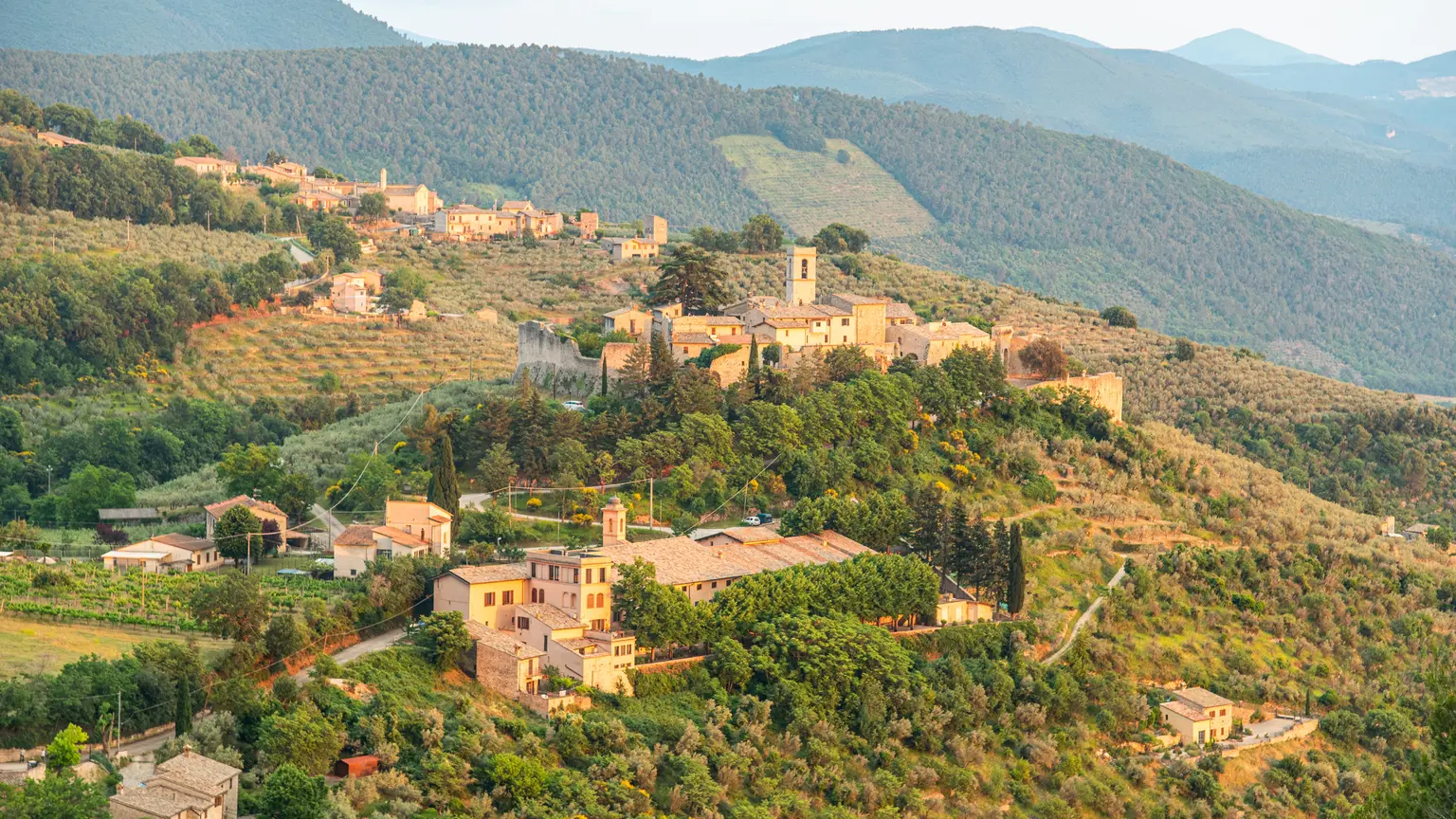
Relais Borgo Campello is a scattered hotel set in the heart of the medieval village of Campello Alto, a timeless place where silence, nature and history coexist in perfect harmony.
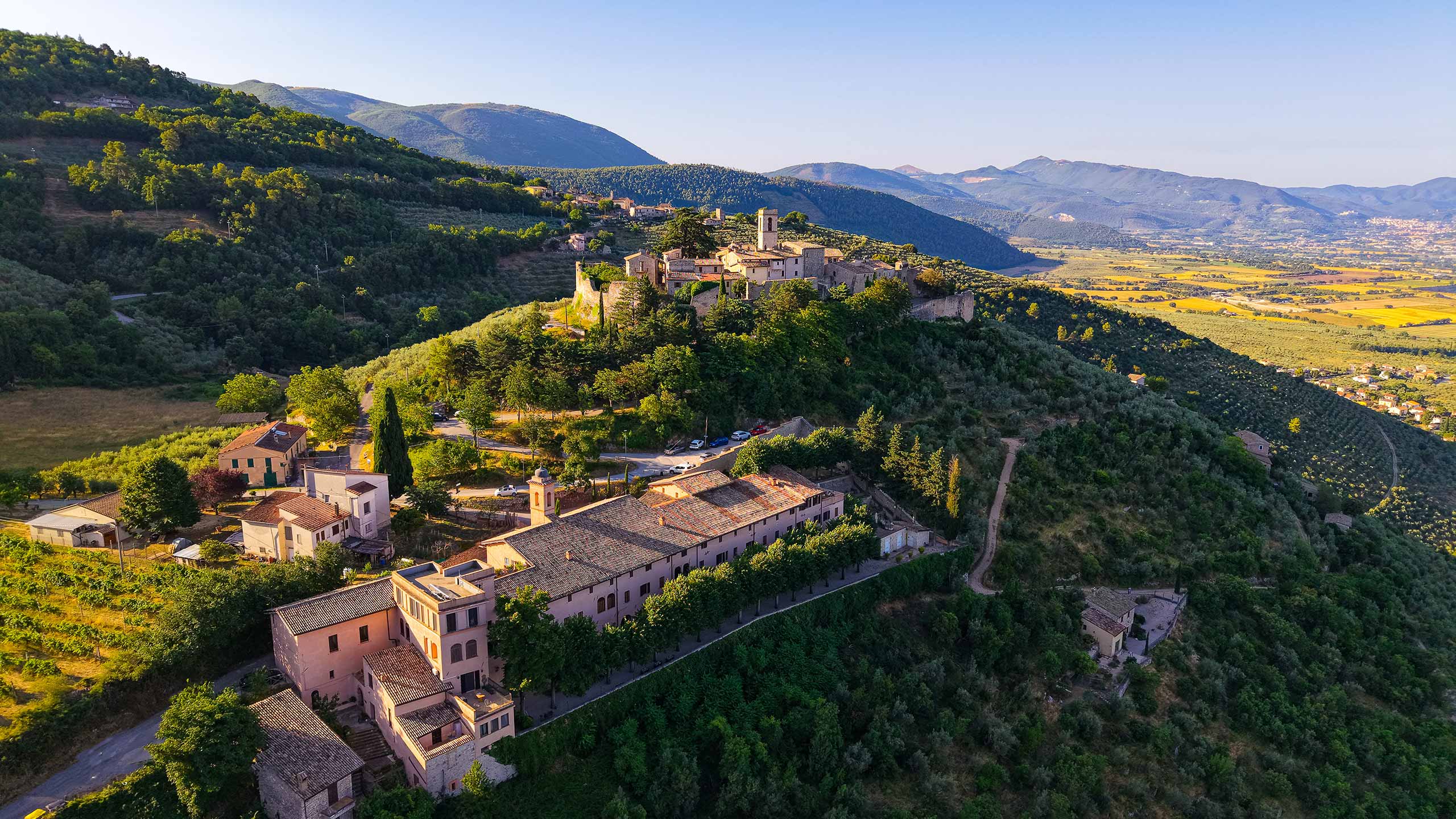
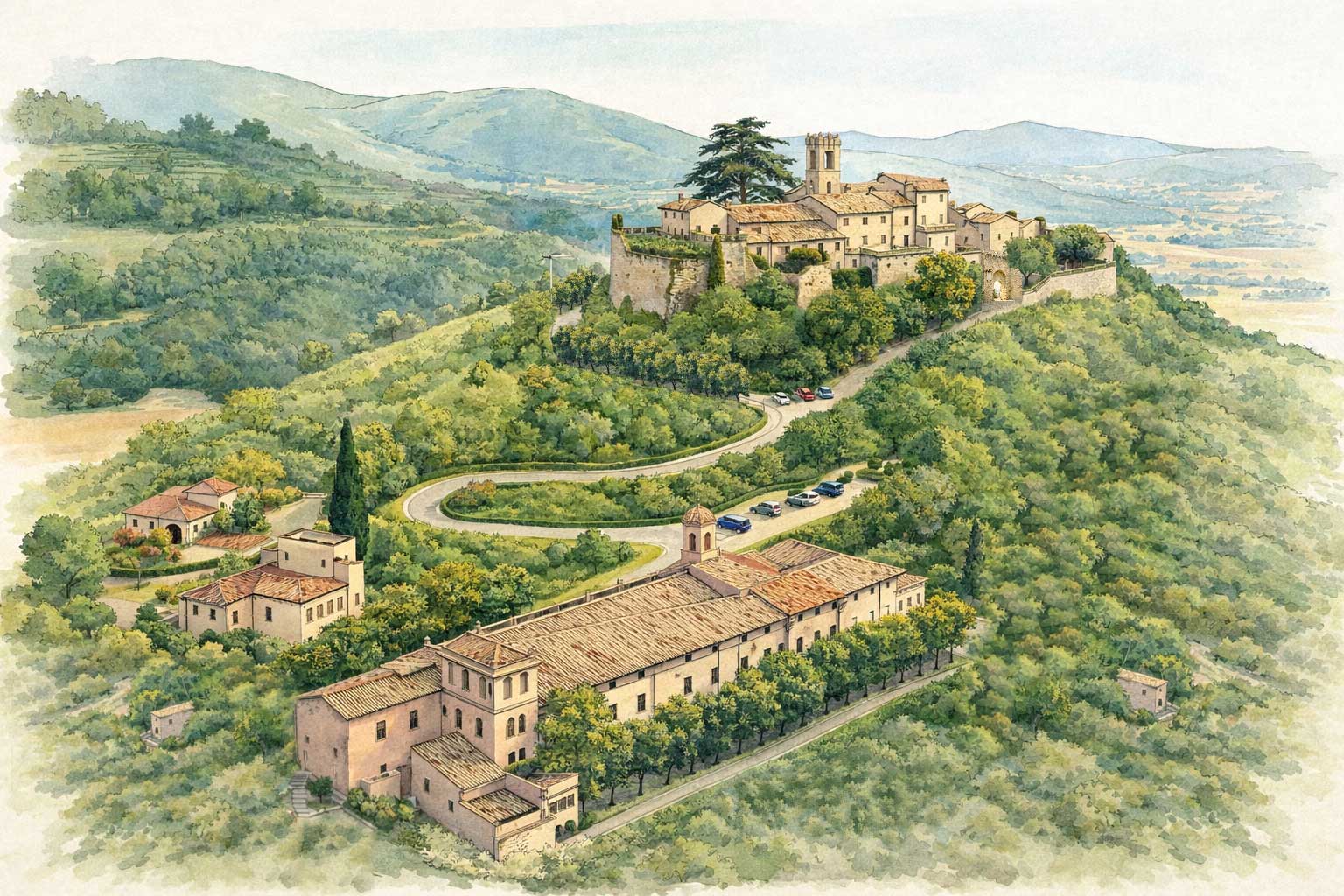
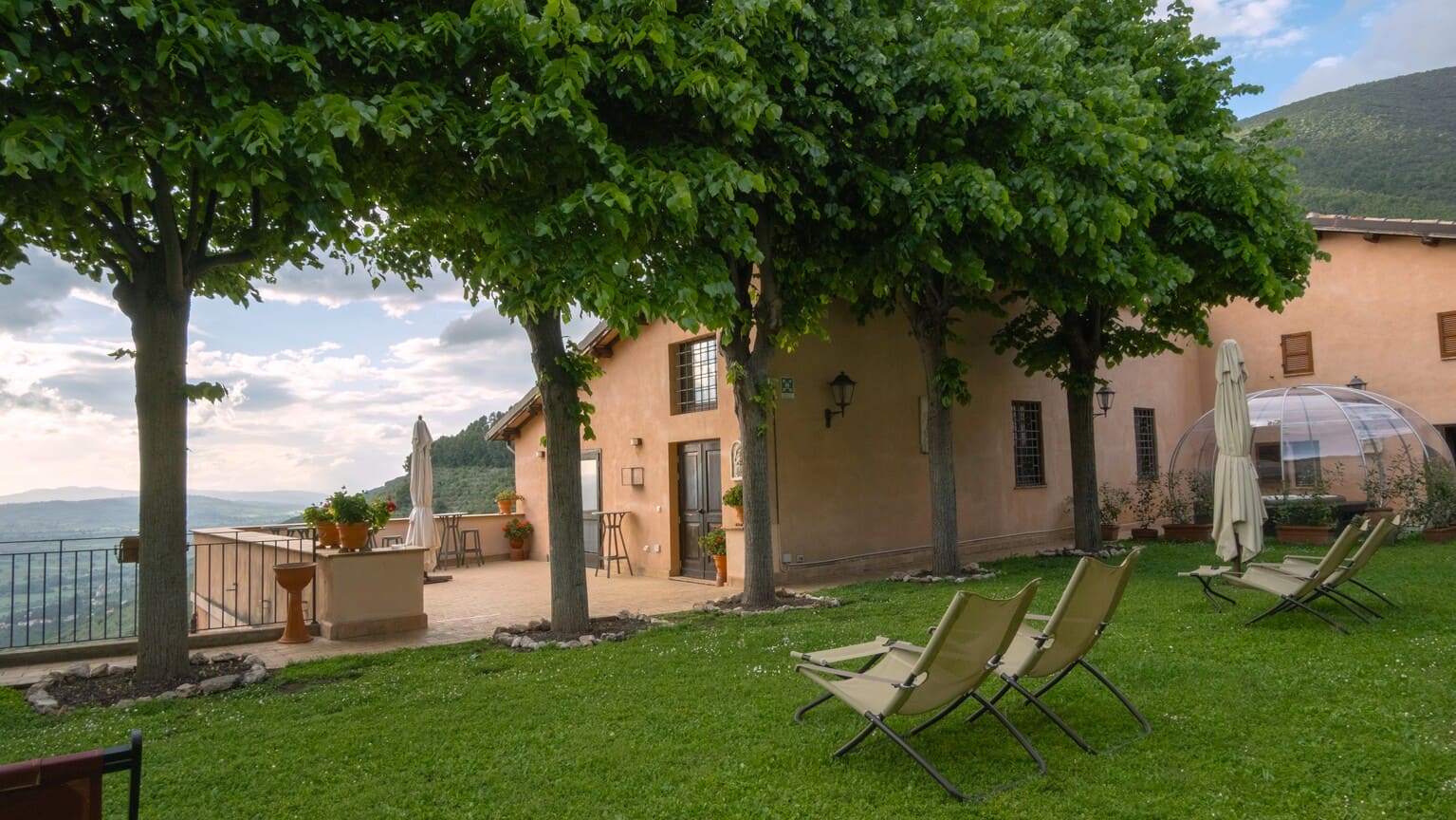
The property consists of two historic buildings: the Castle and the Monastery, located about 250 meters apart, nestled within the Umbrian hillside landscape.
Ancient dwellings dating back to a period between the year 1000 and the 15th century, the Castle and the Monastery have for centuries embodied the soul of the Borgo: one a symbol of power, the other of spirituality. Even today they preserve the charm of a thousand-year old past, welcoming Guests in an authentic and unique atmosphere.
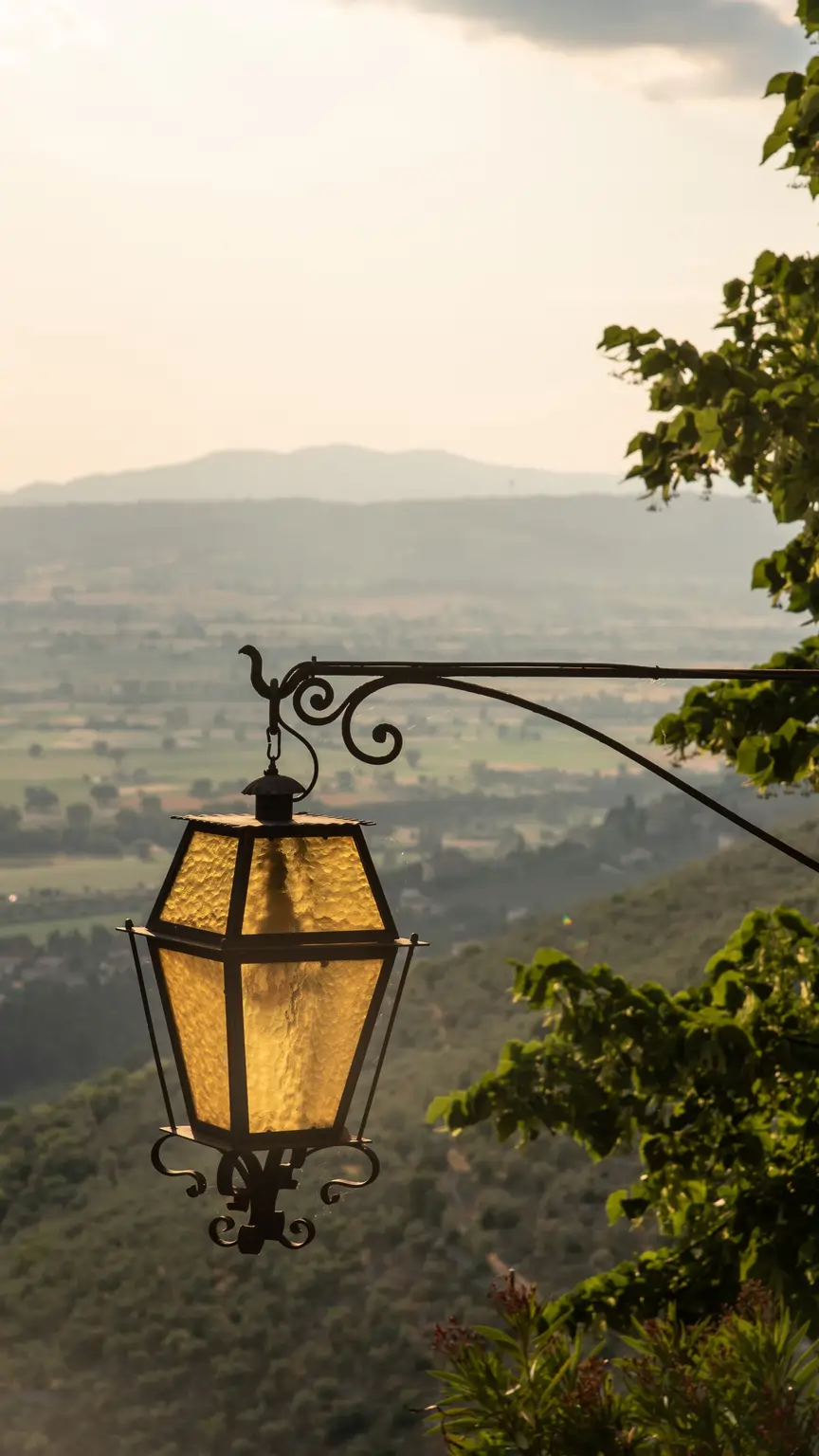
Set in a panoramic and secluded llocation, just a few kilometers from Spoleto and the Fonti del Clitunno, Relais Borgo Campello is the ideal starting point for exploring Umbria’s main cities of art, or simply for enjoying a peaceful retreat surrounded by quiet and beauty, far from the fast pace of everyday life.
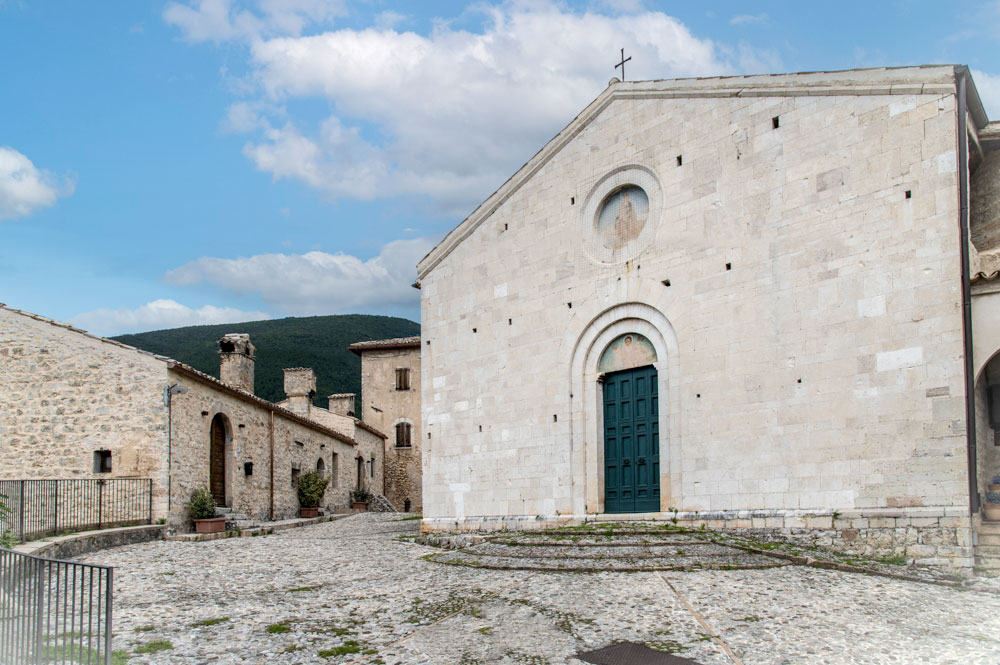
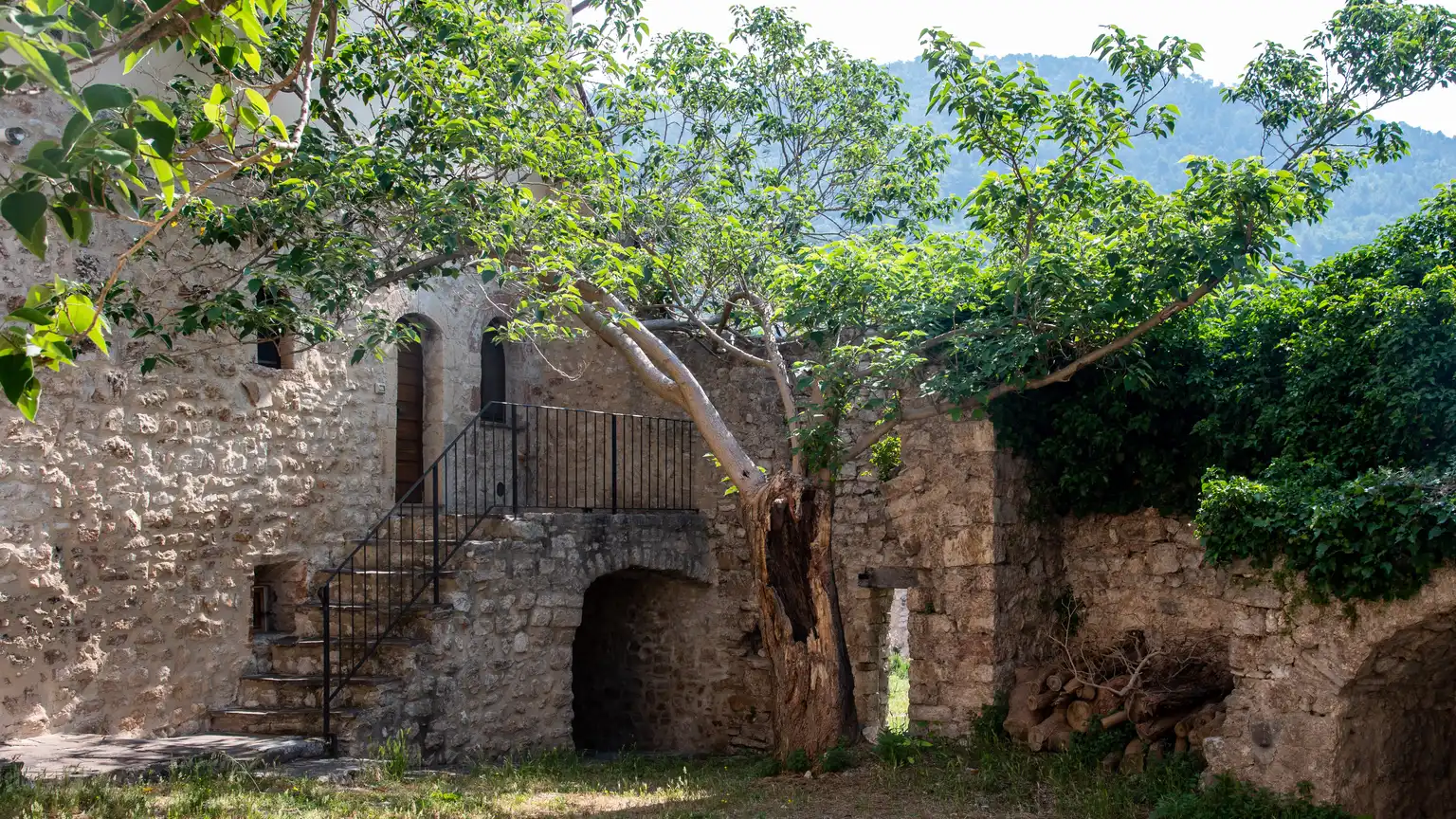
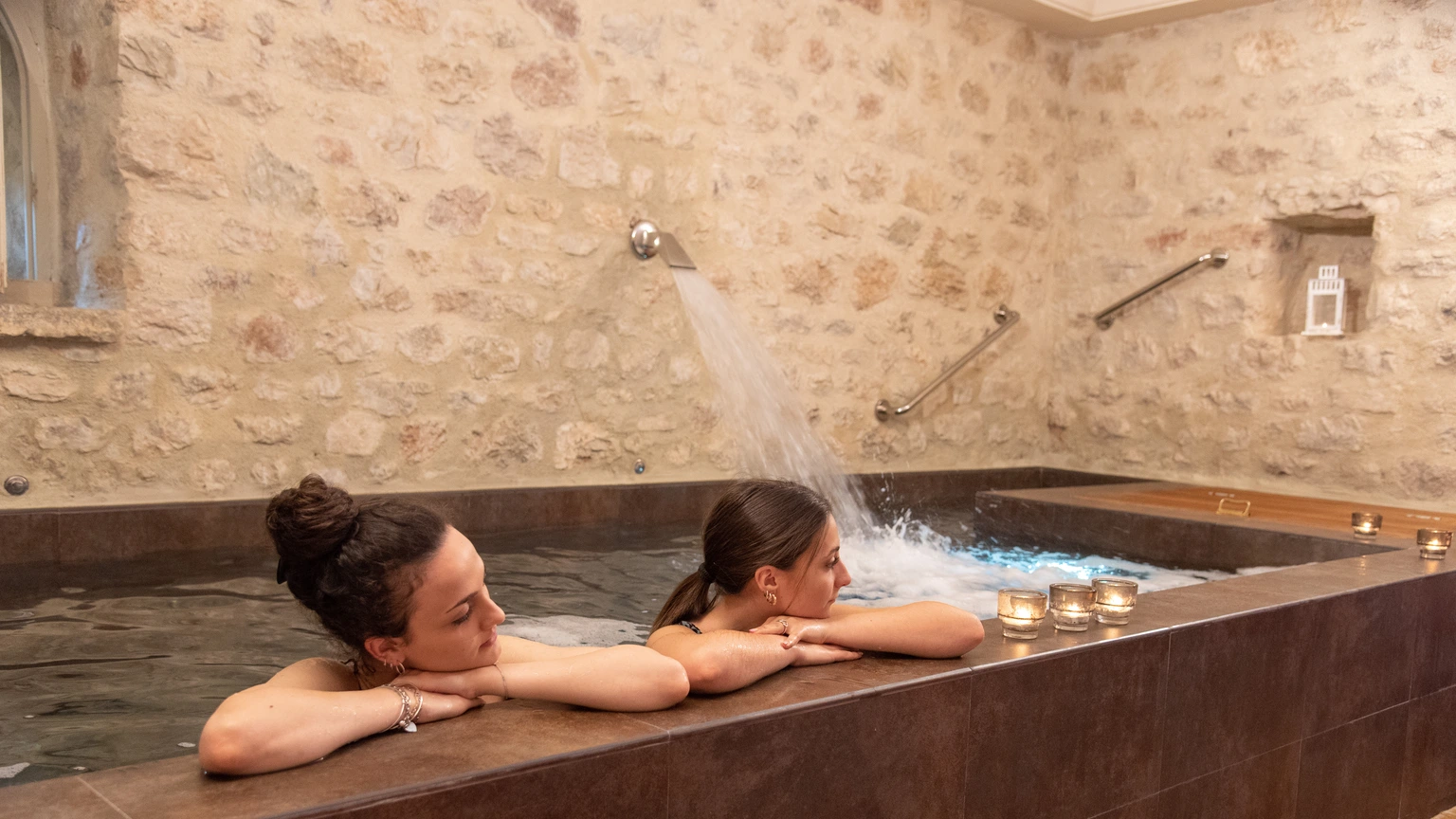
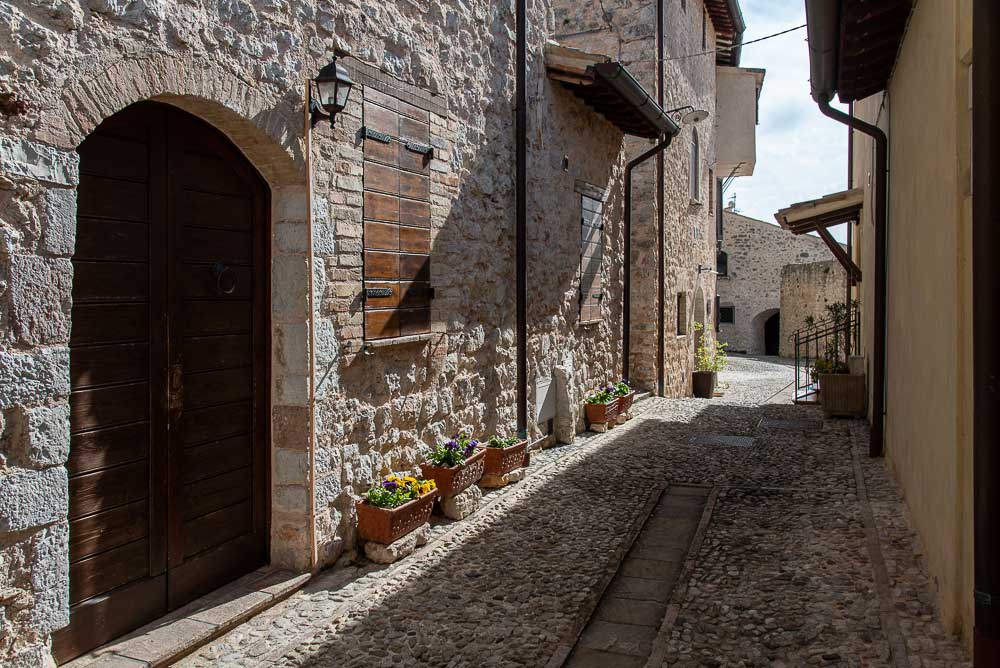
The Castle of Borgo Campello
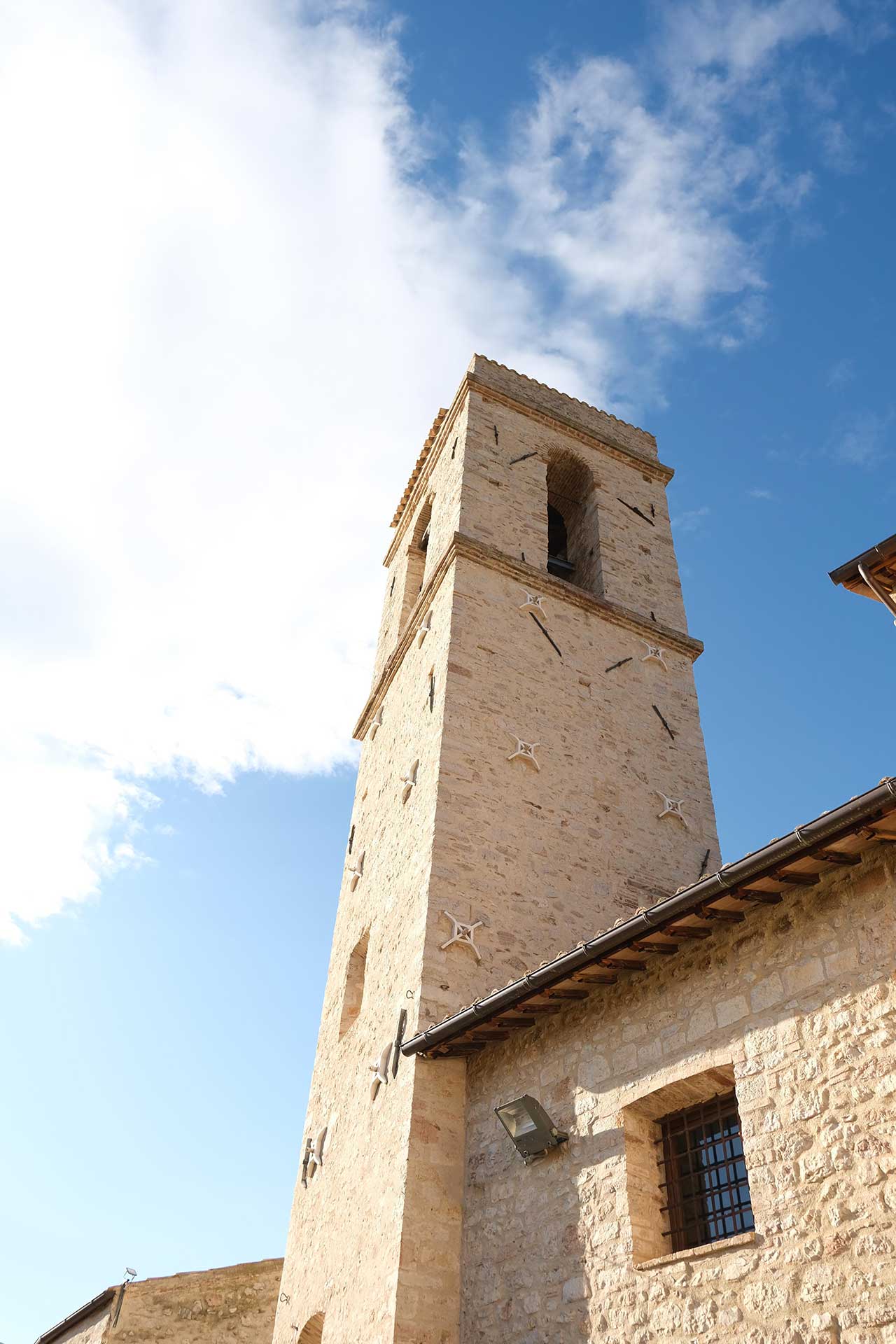
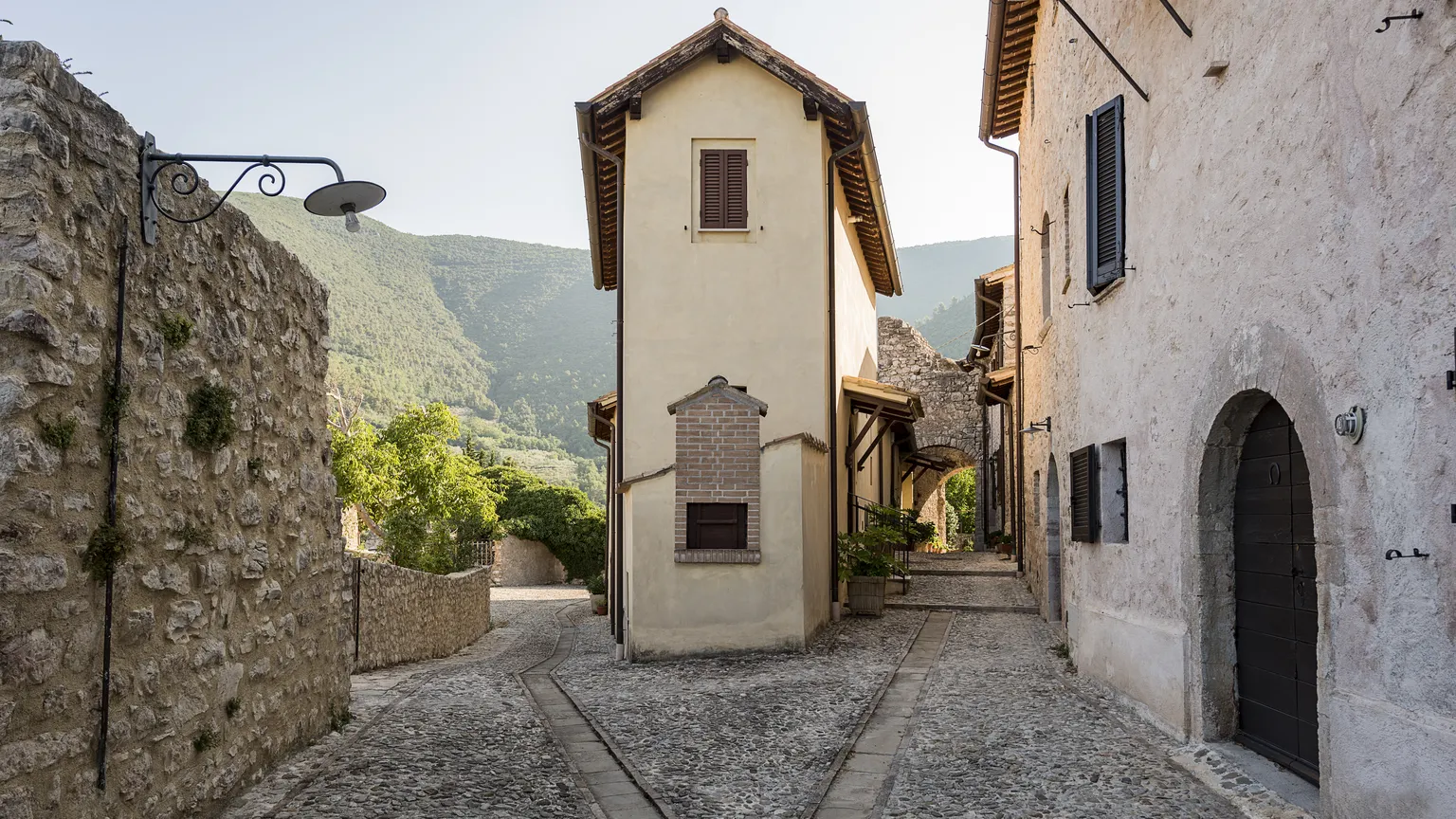
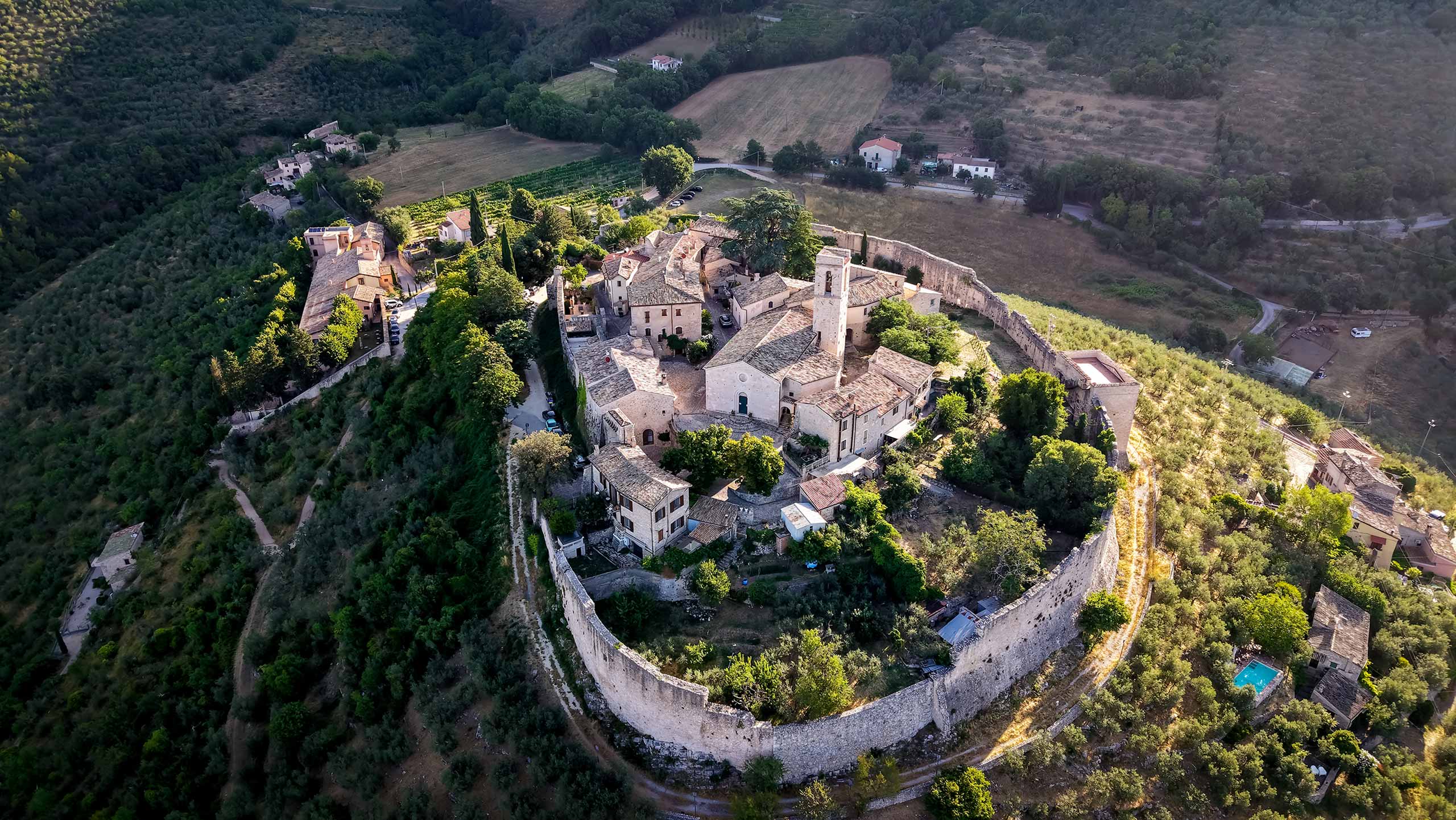
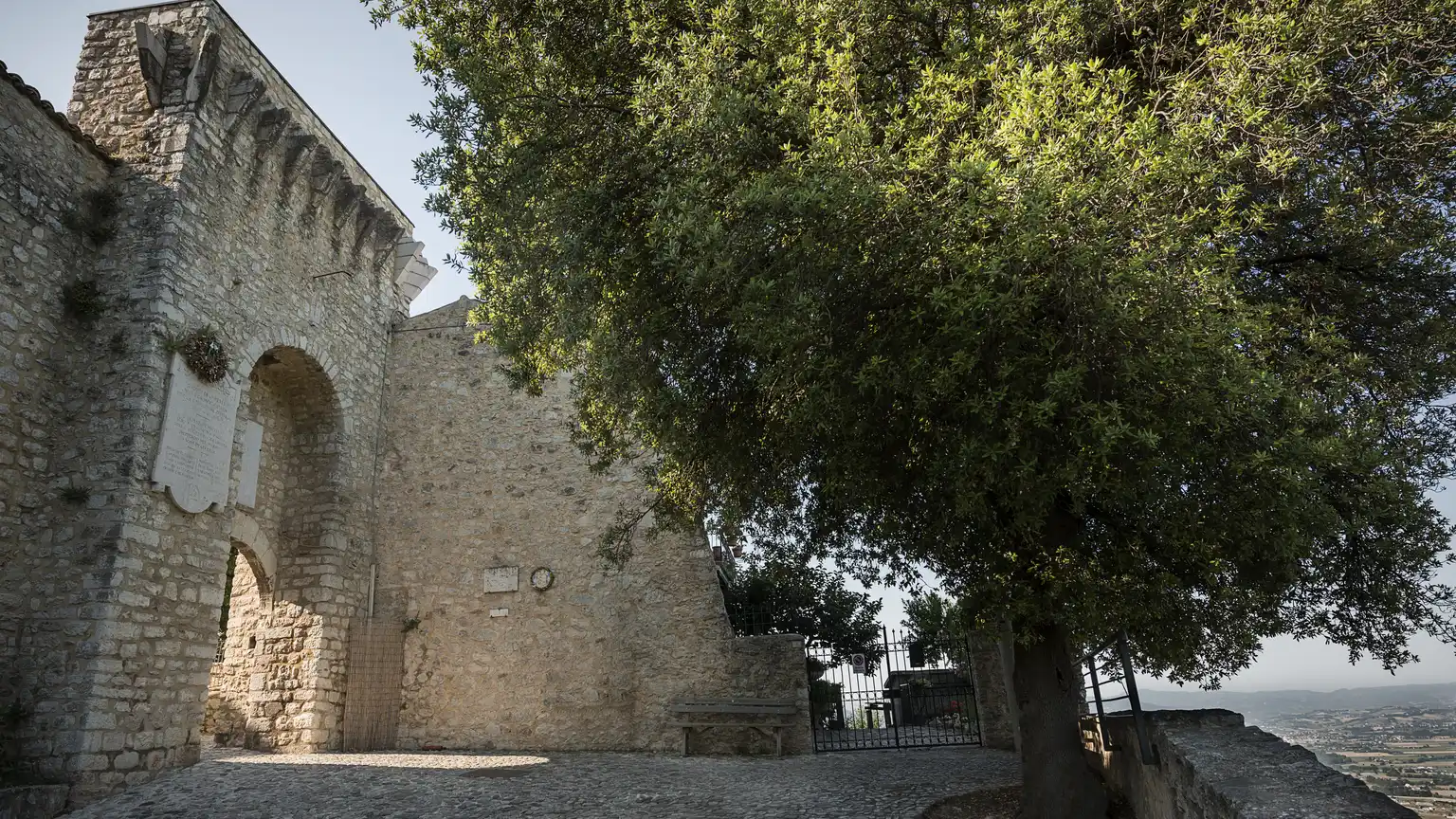
Majestic and imposing, the Castle of Campello Alto overlooks the lush Spoleto valley, surrounded by medieval walls, Guelph merlns and the ancient Tower of the Carceri, forming a truel fortified village. Built in 921 by Rovero of Champeaux, baron of Burgundy, it is today one of the best-preserved and most evocative castles in Umbria.
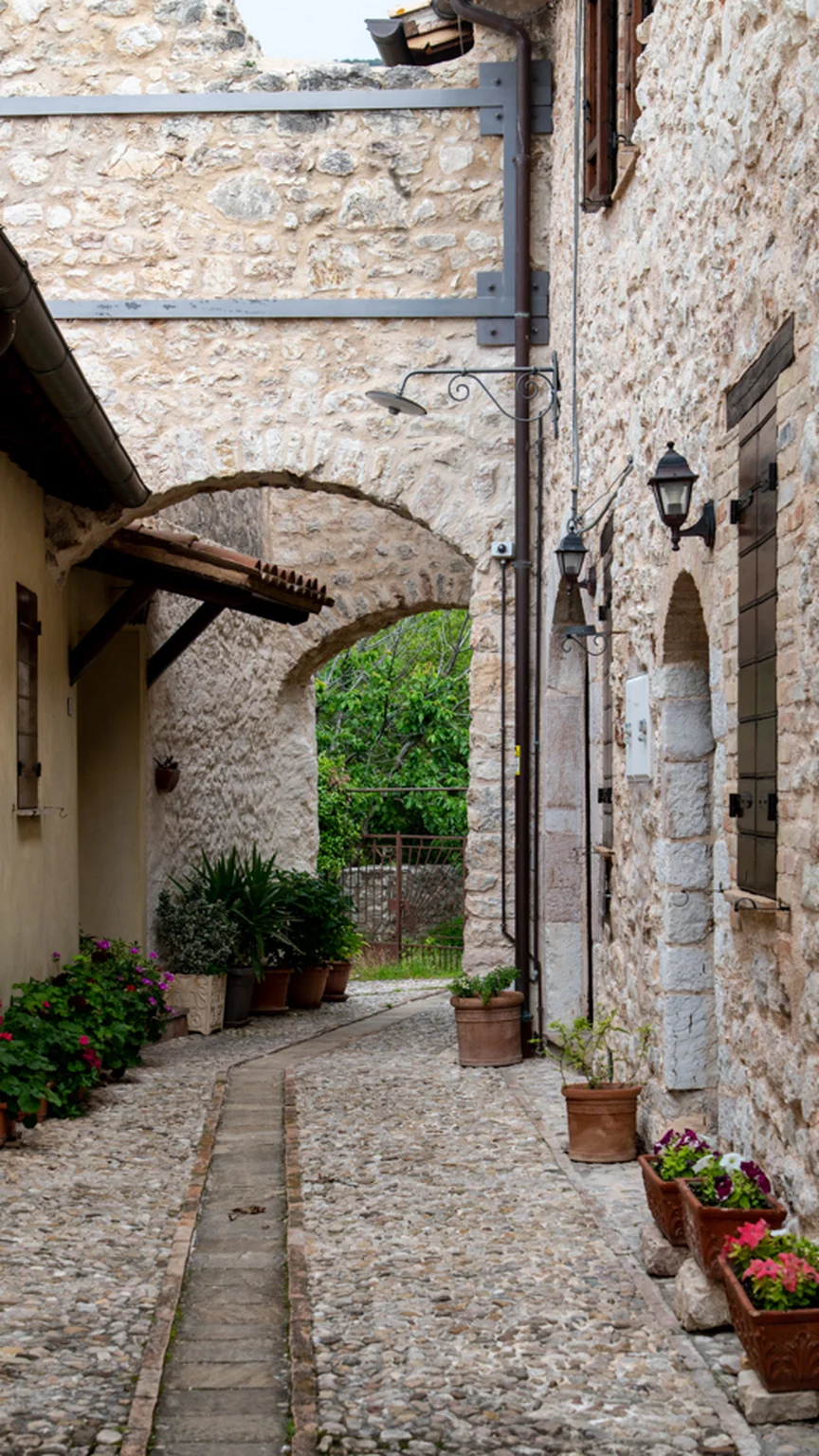
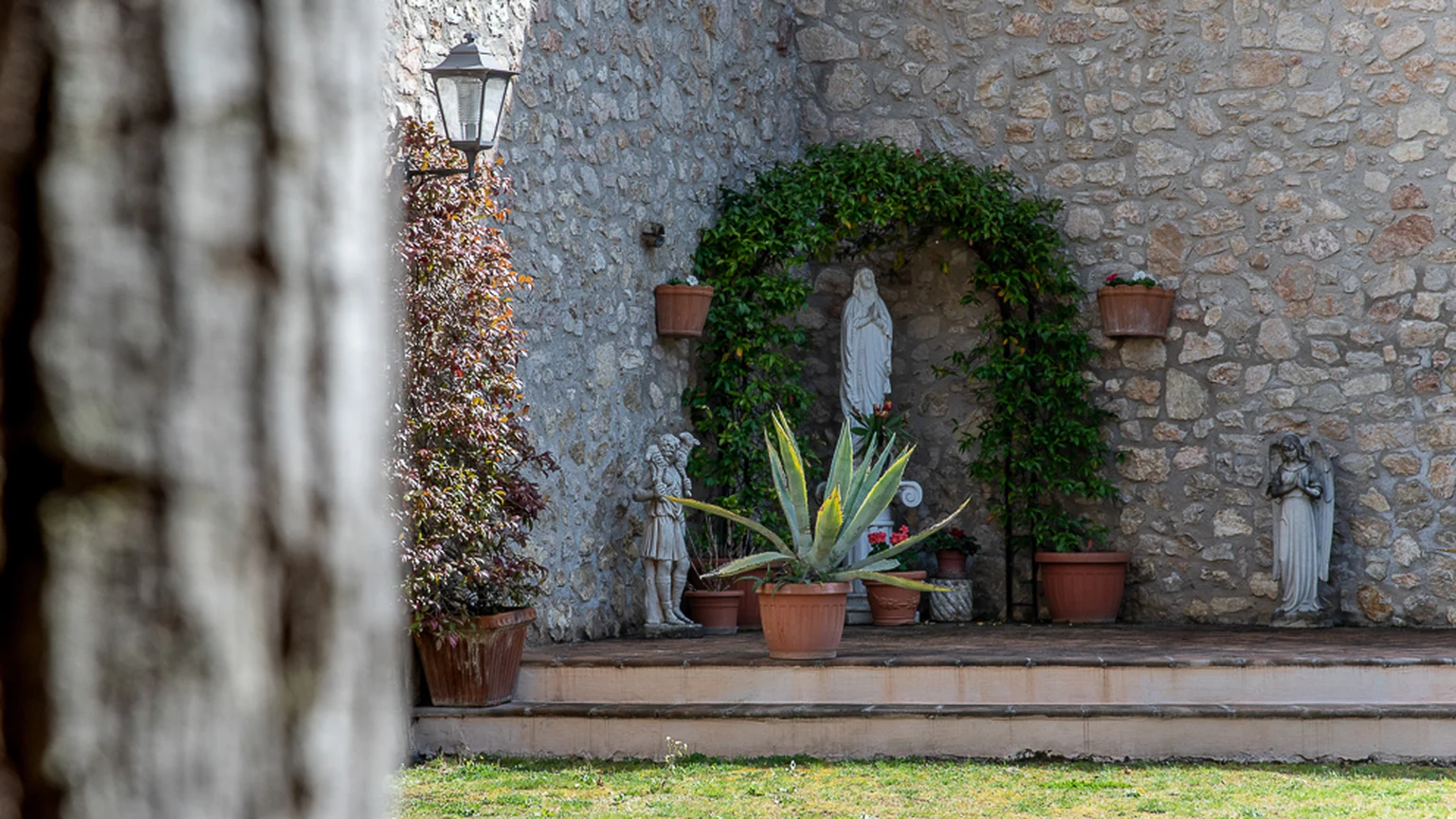
Among cobbled streets, ancient gateways, wells and the Romanesque Church of San Donato, the castle preserves over a thousand years of history, still visible and open to visitors within its walls.
Castle Spaces and Services
Within the Castle, Relais Borgo Campello offers a unique stay featuring rooms and independent apartments that blend modern comfort with medieval charm. Guests can unwind in the Private SPA and at Otium Wellness Center, or enjoy convivial moments in the historic tavern, also ideal for small private events.
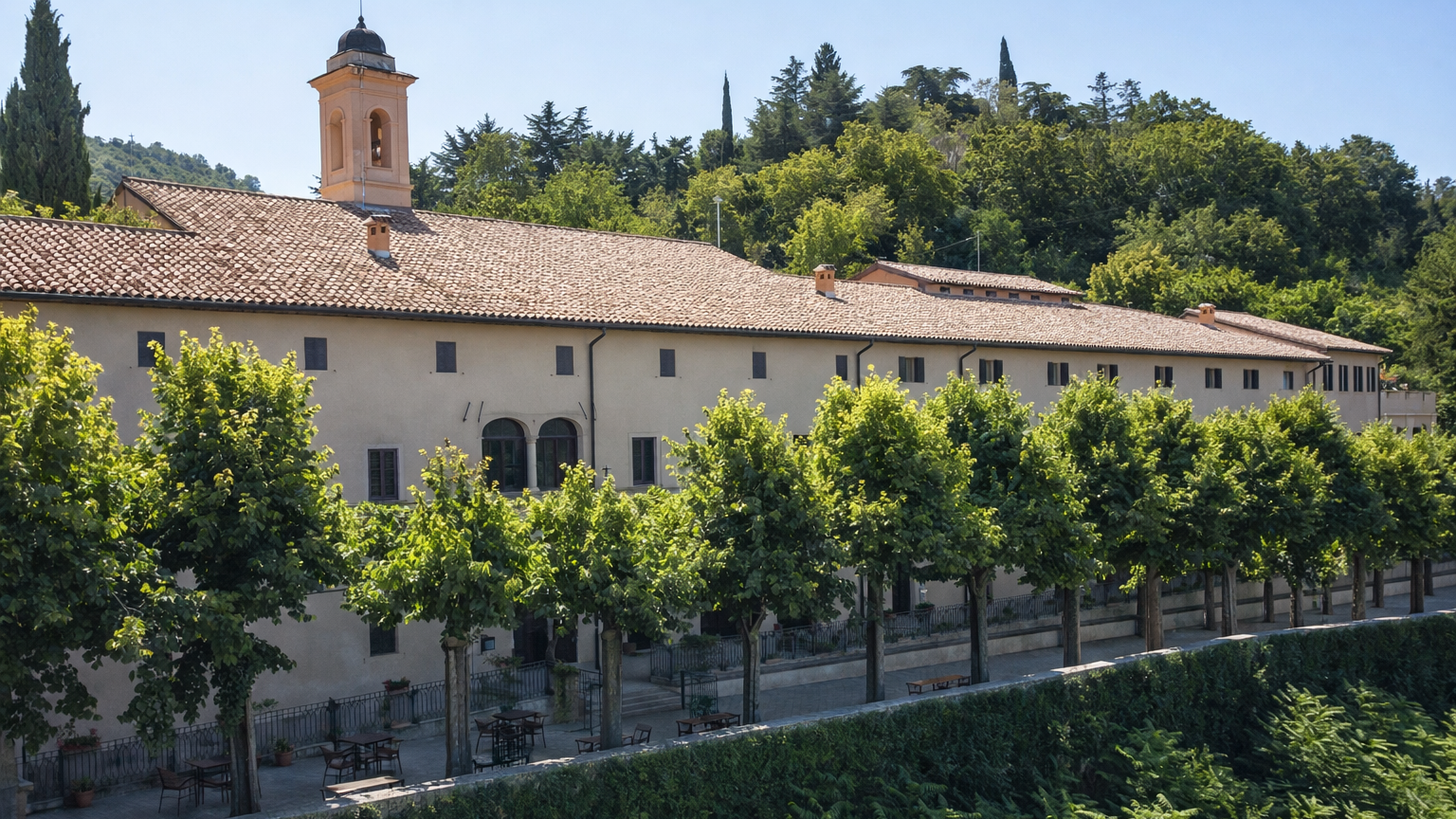
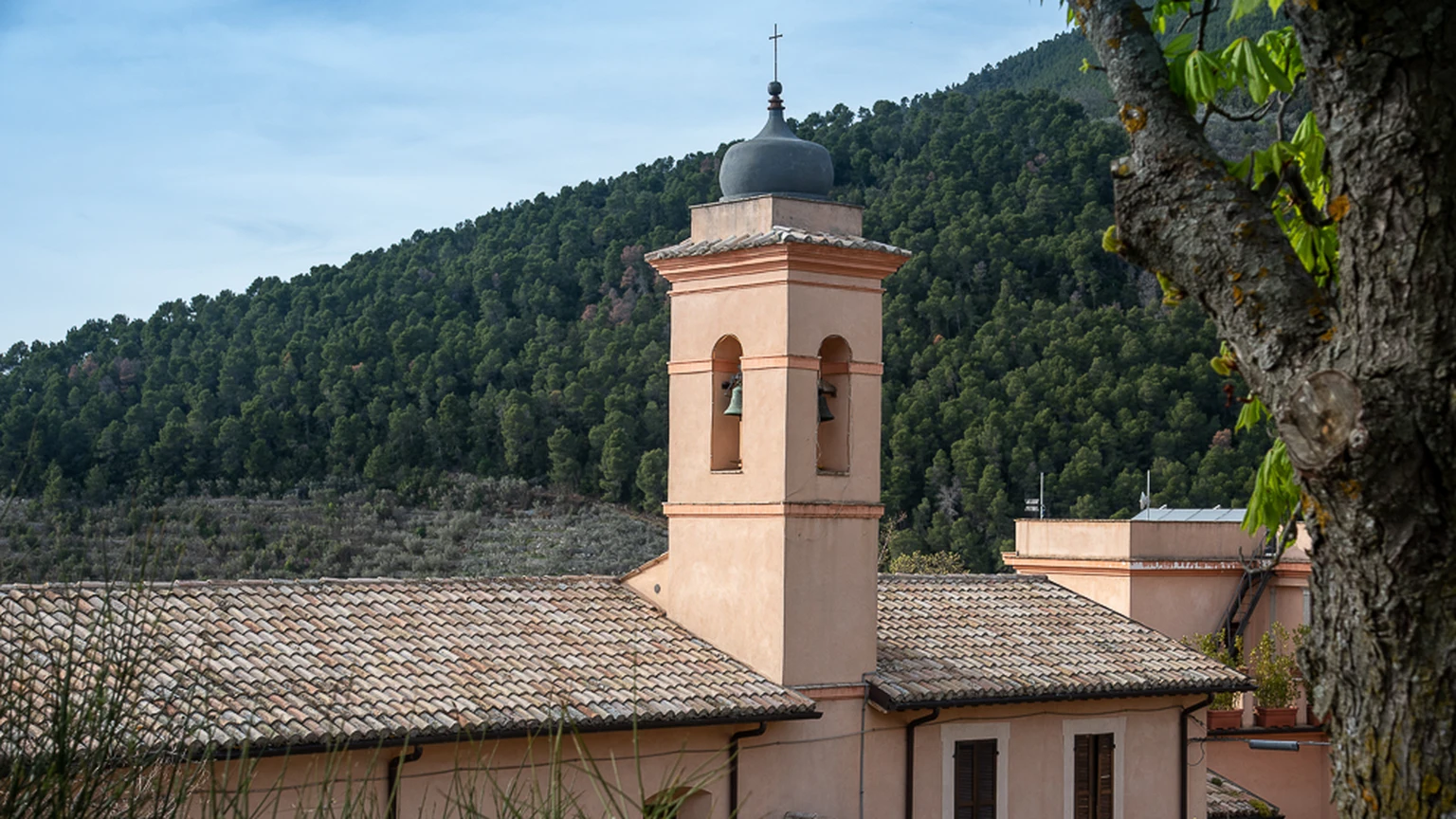
The Monastery of Saints John and Peter
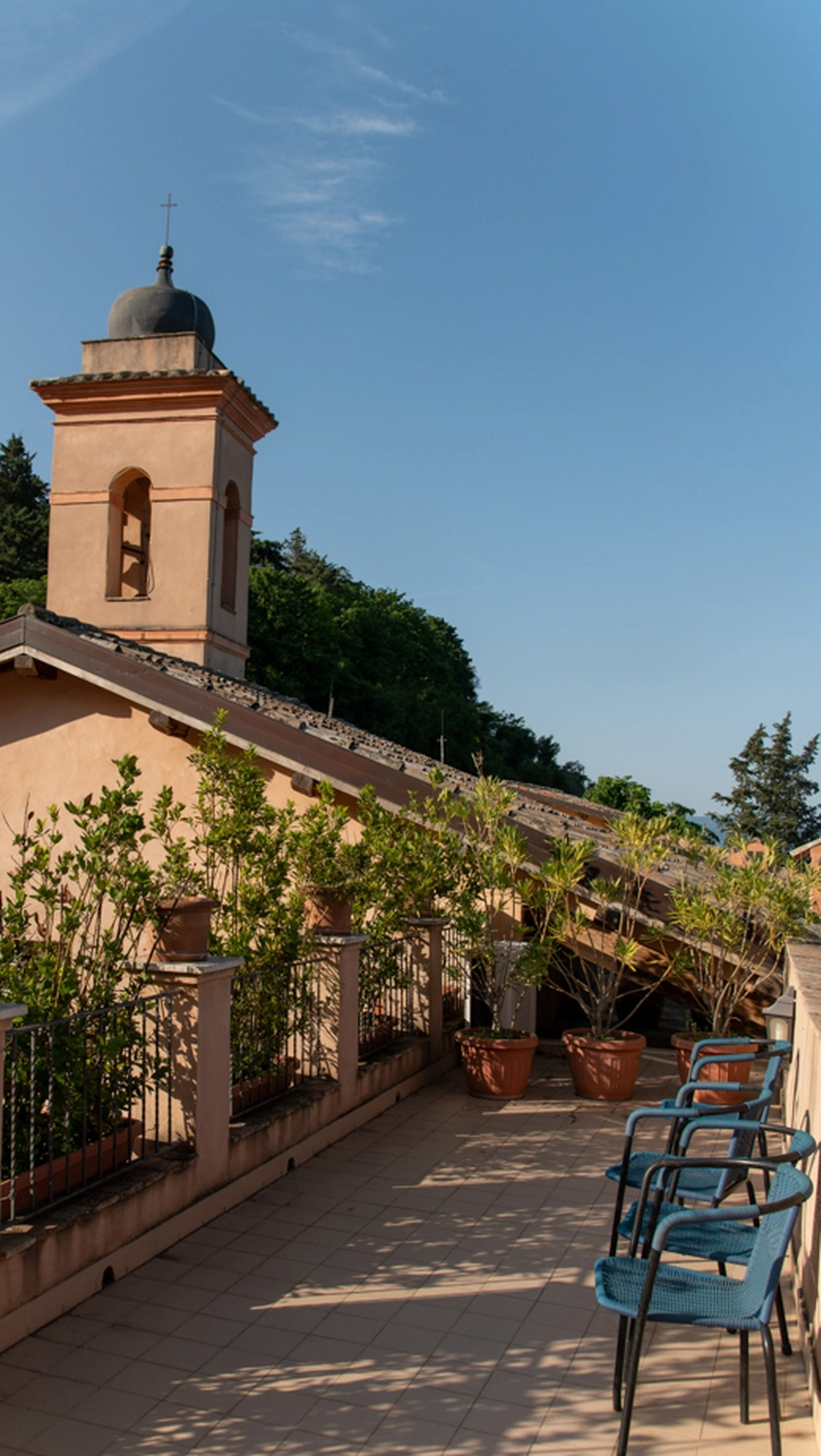
The Monastery of Saints John and Peter was restored starting in 2011, recovering and renovating two adjacent ancient convents that had been unified in 1604.
The first Monastery, dedicated to St. Peter, dates back to the early 11th century; the second, from the 14th century, was dedicated to St. John the Baptist. It was here that the nuns gathered under the guidance of Agnesuccia Laurenti, a woman of strong character and influence who obtained official recognition directly from the Pope.
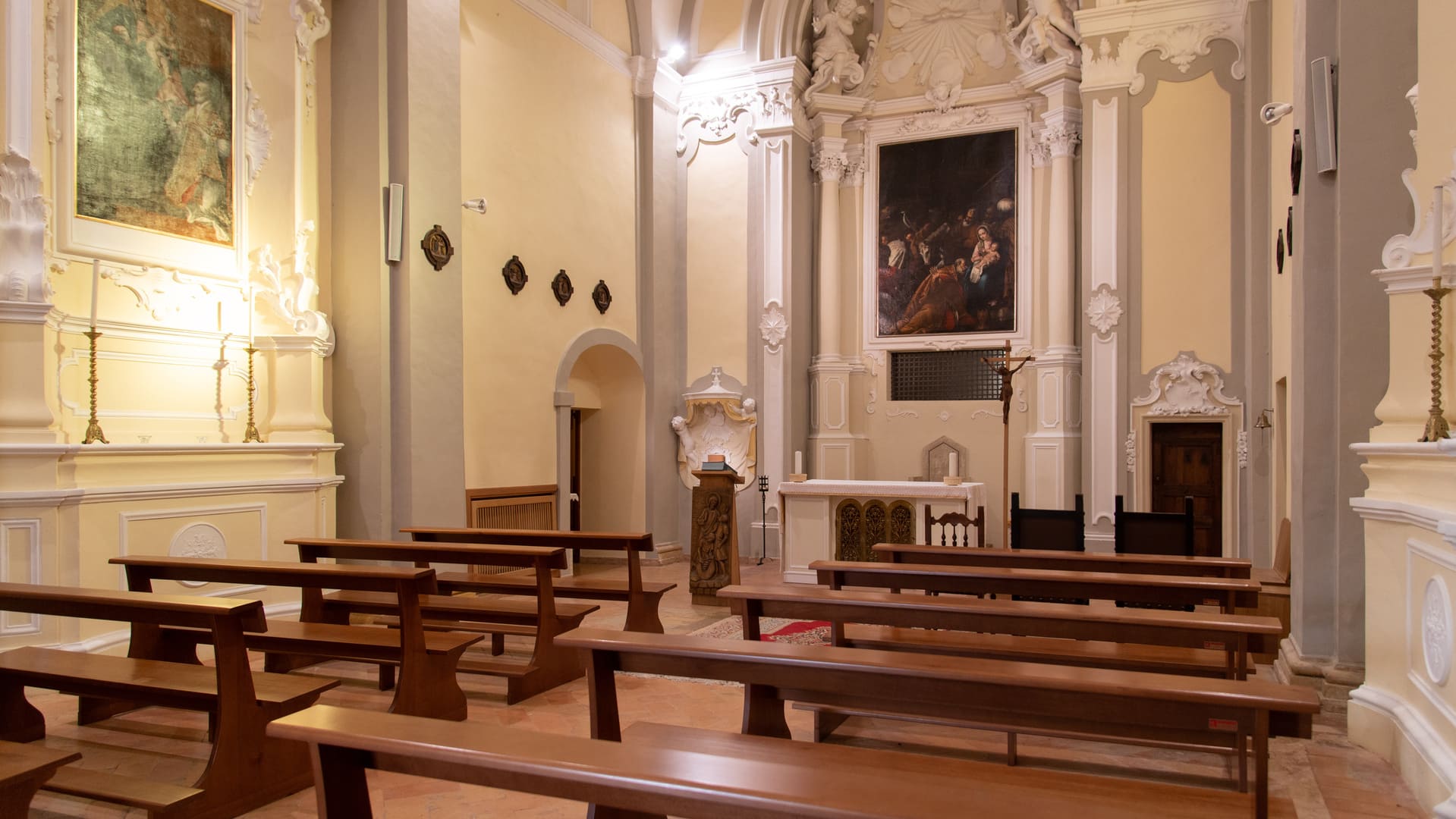
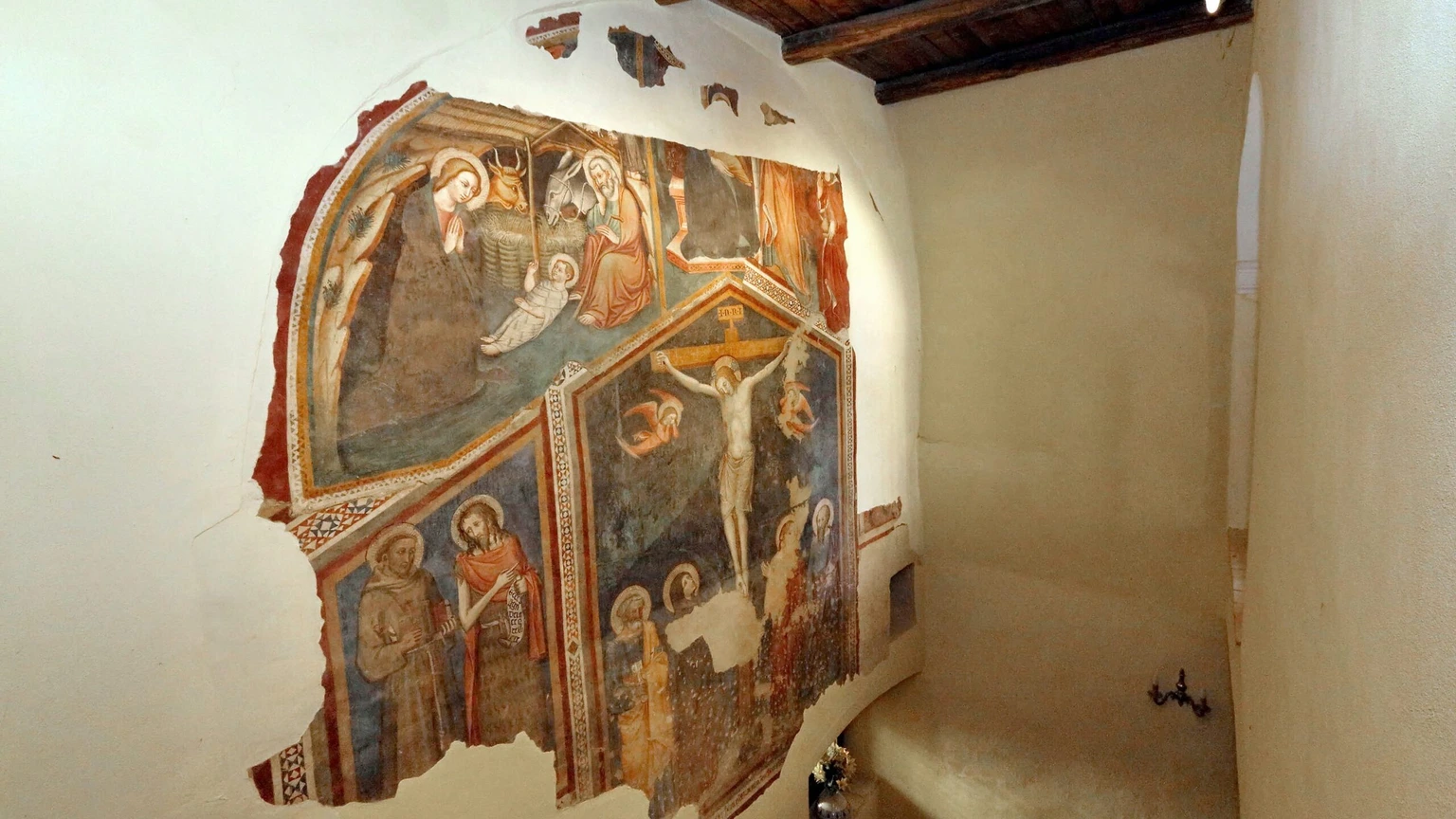
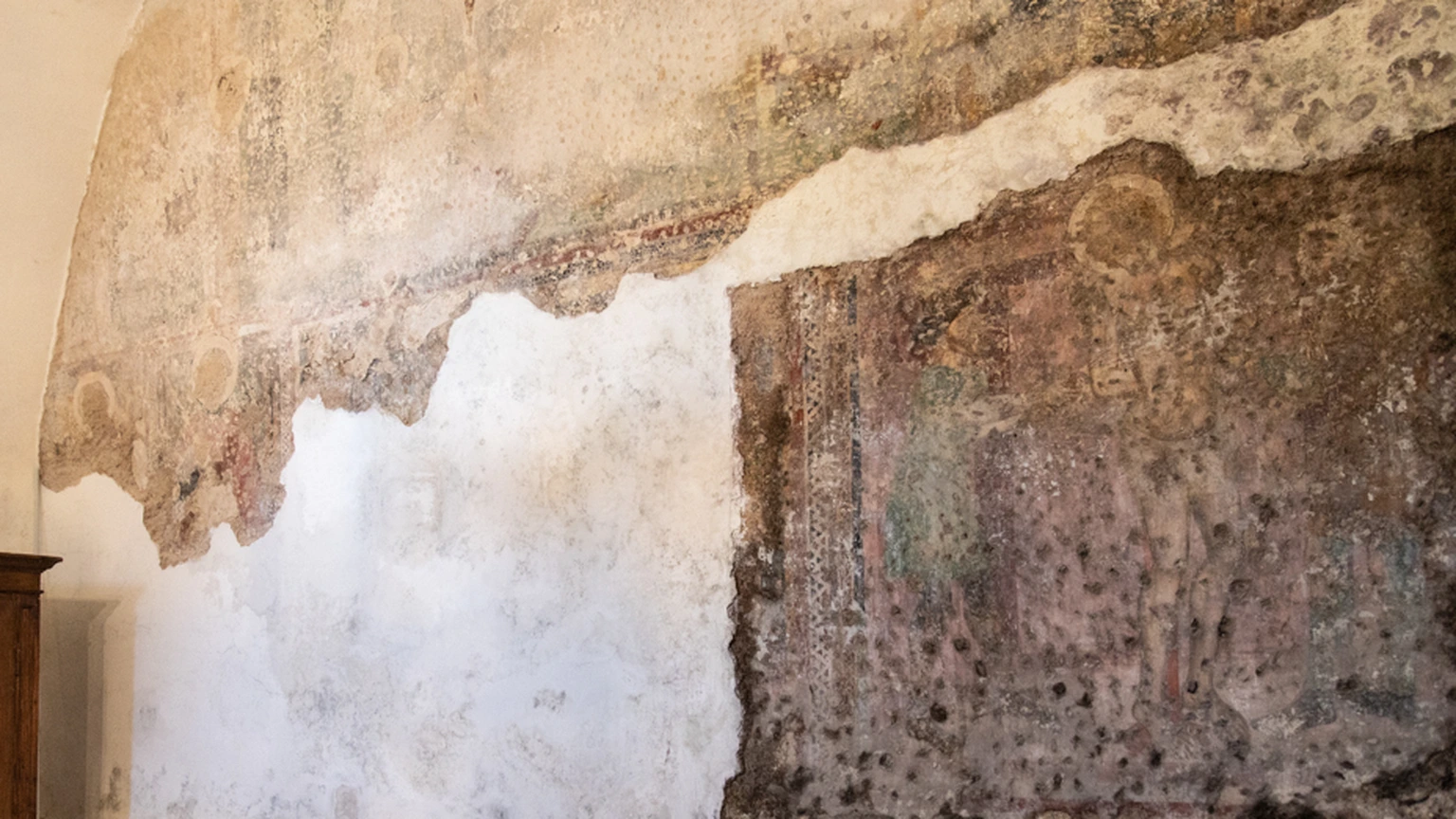
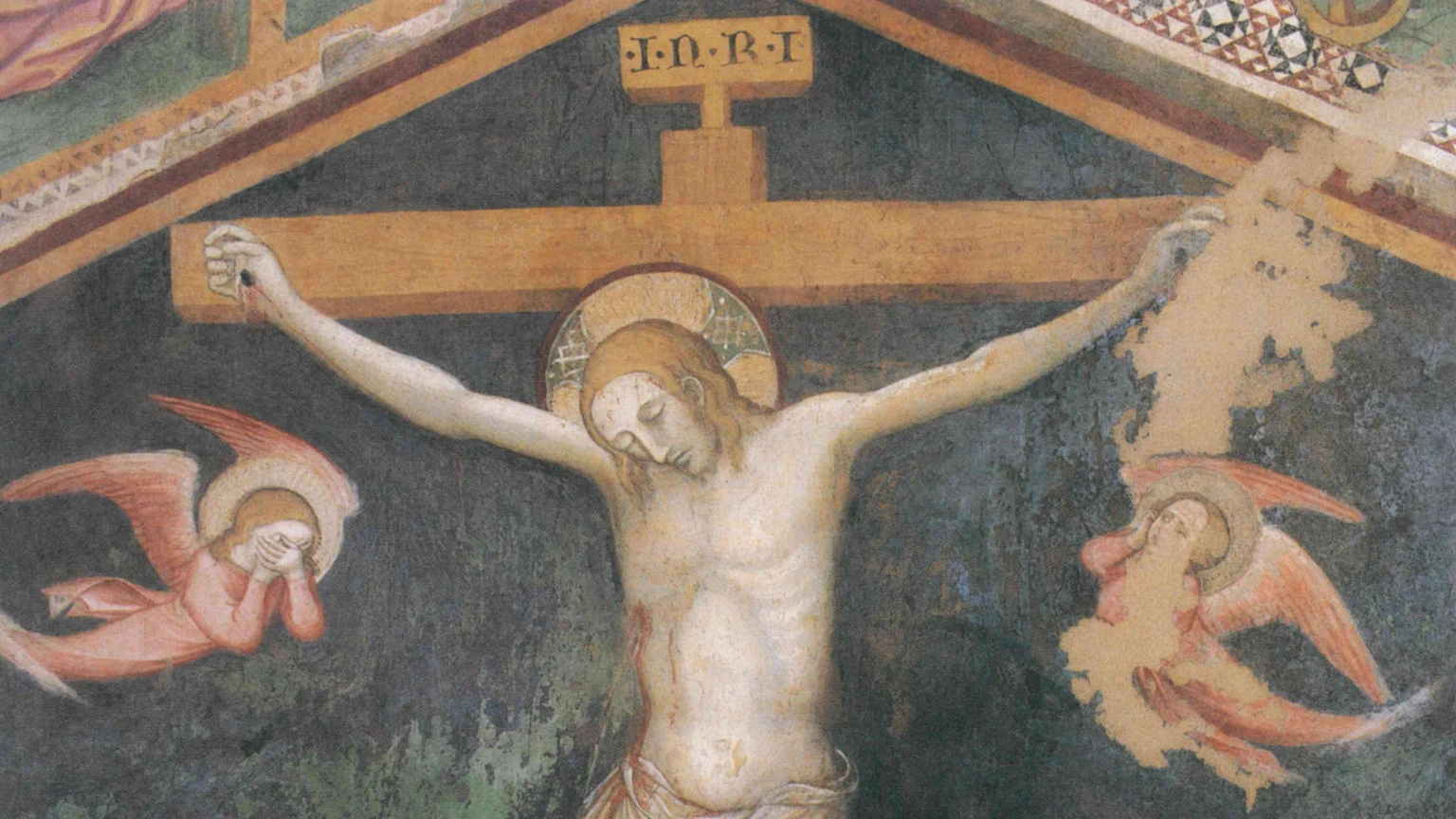
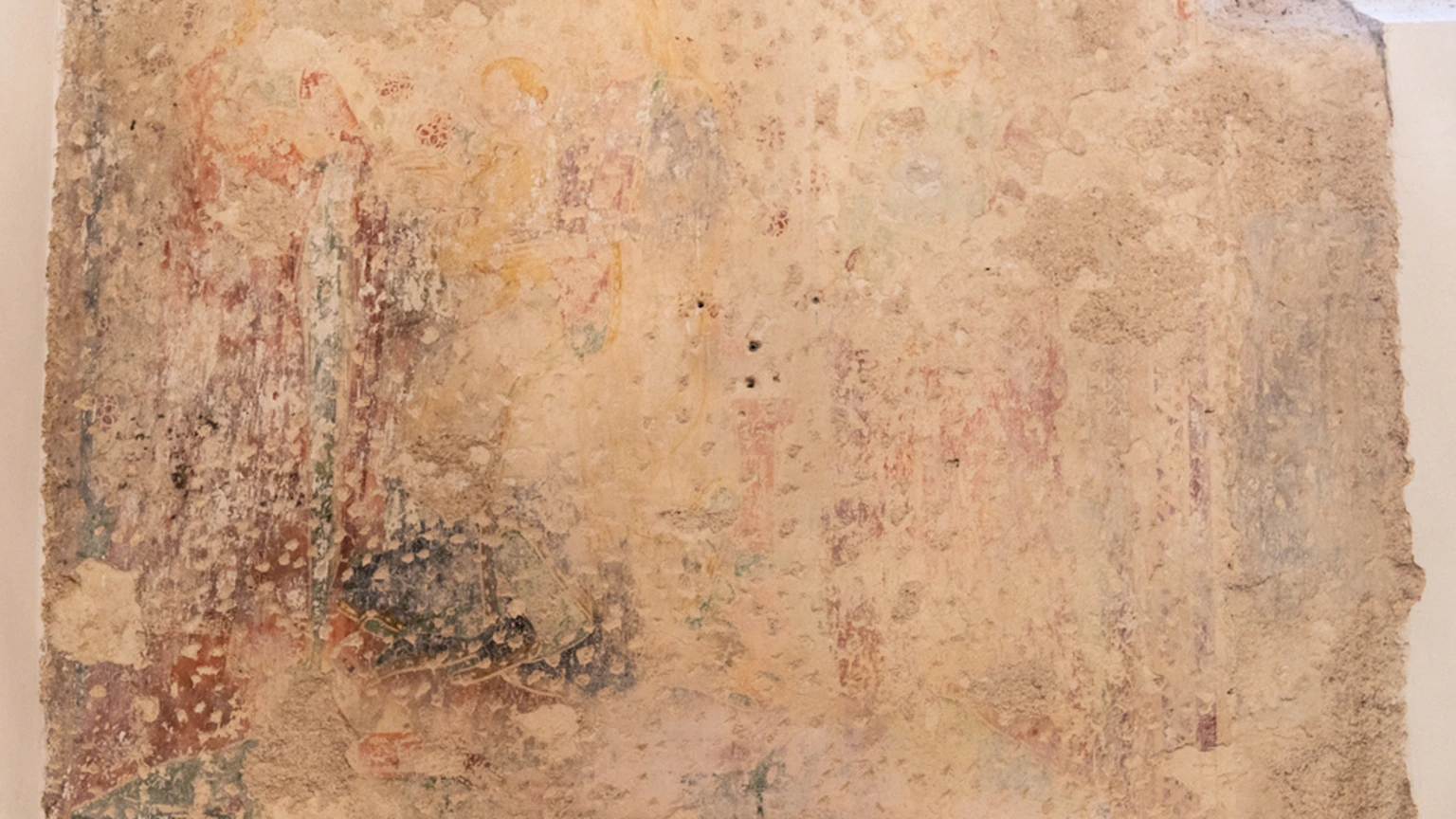
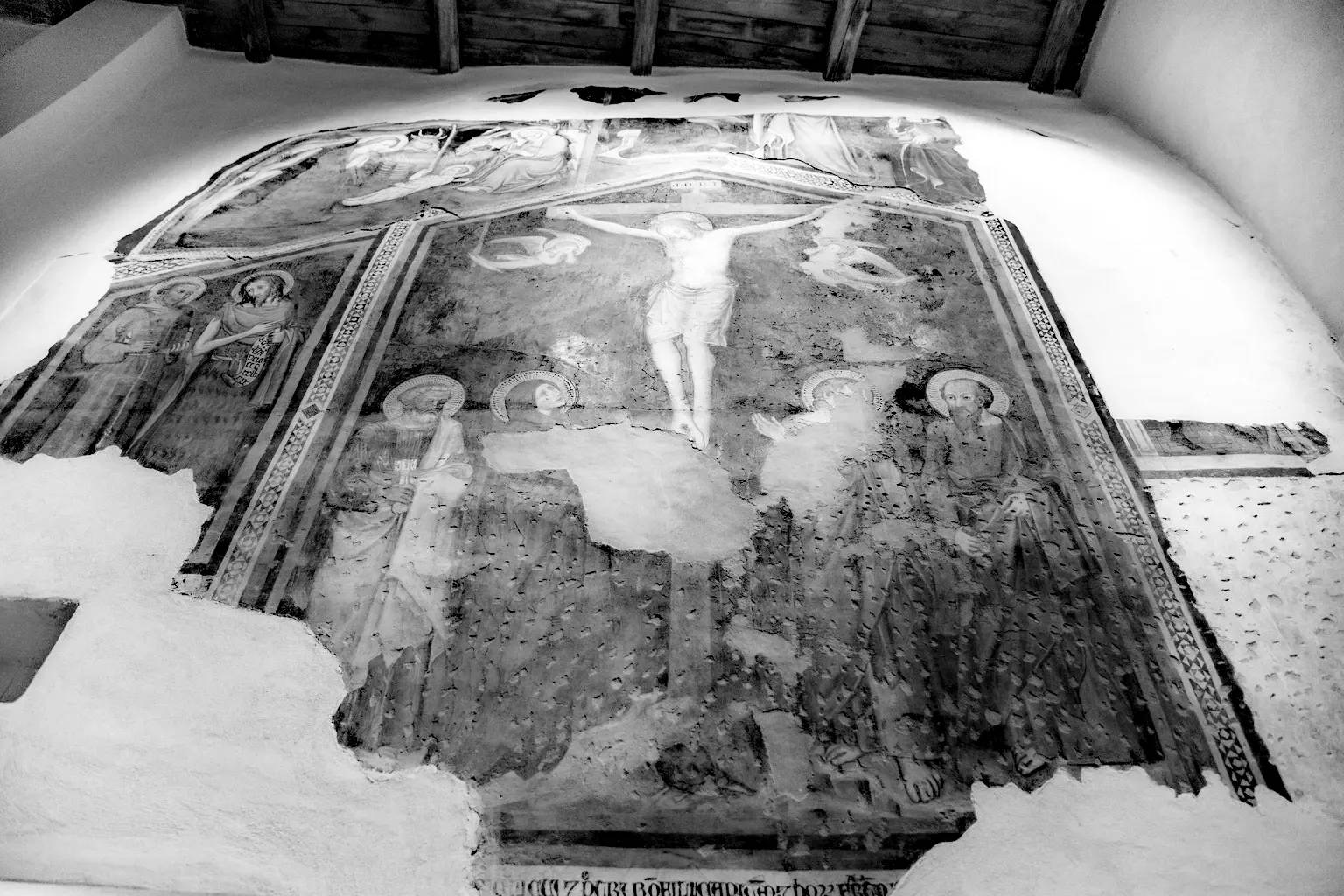
The complex features important painted works from the medieval and Renaissance periods, including “Crucifixion with Saints” by the Master of Fossa (1342), “Nativity”, the “Mystical Marriage of St. Catherine of Alexandria,” “Flagellation” probably by the Master of Eggi, as well as a splendid “Madonna of Mercy” by Spagna pictor, along with other frescoes that have not yet been fully identified.
Monastery Spaces and Services
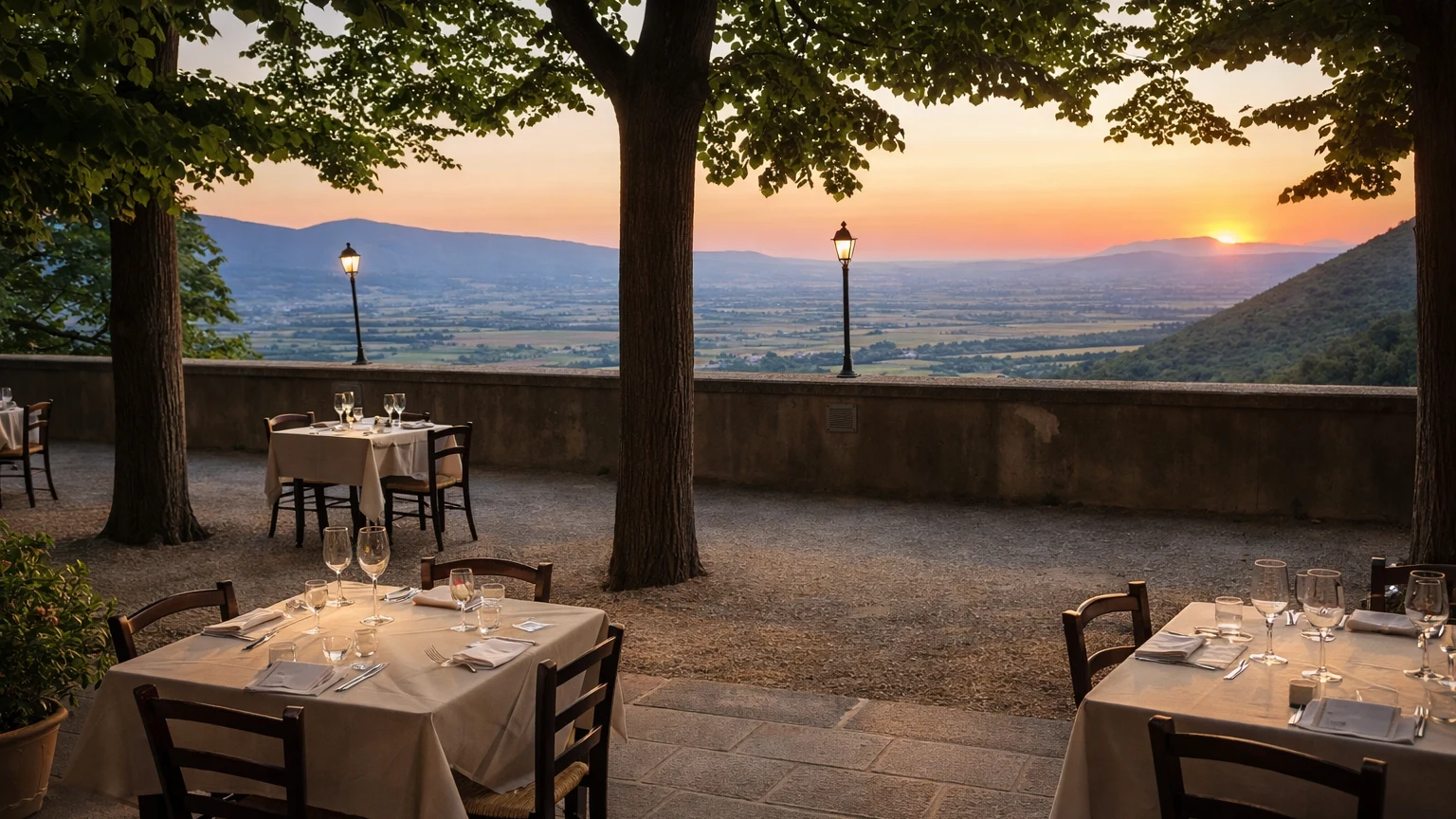
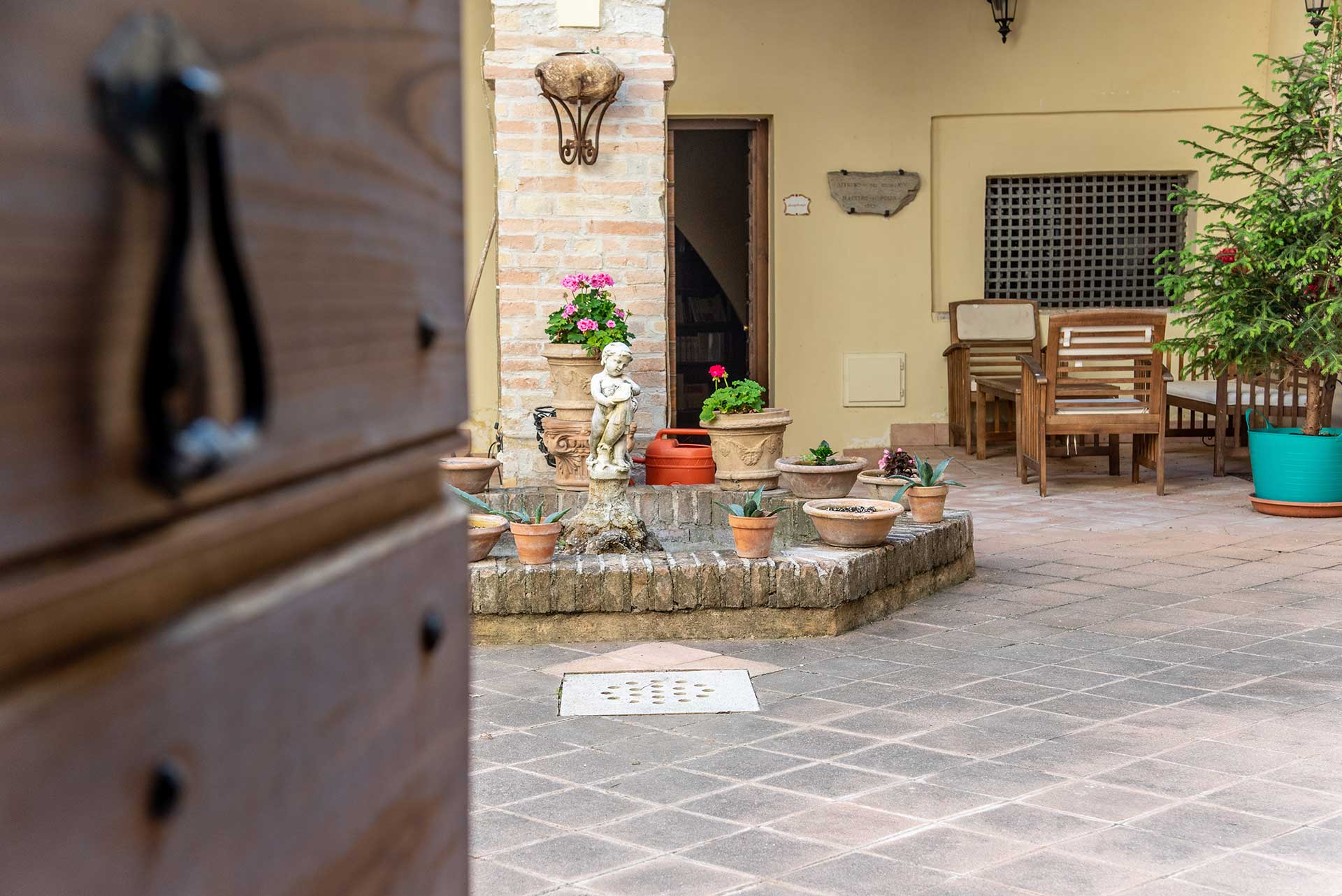
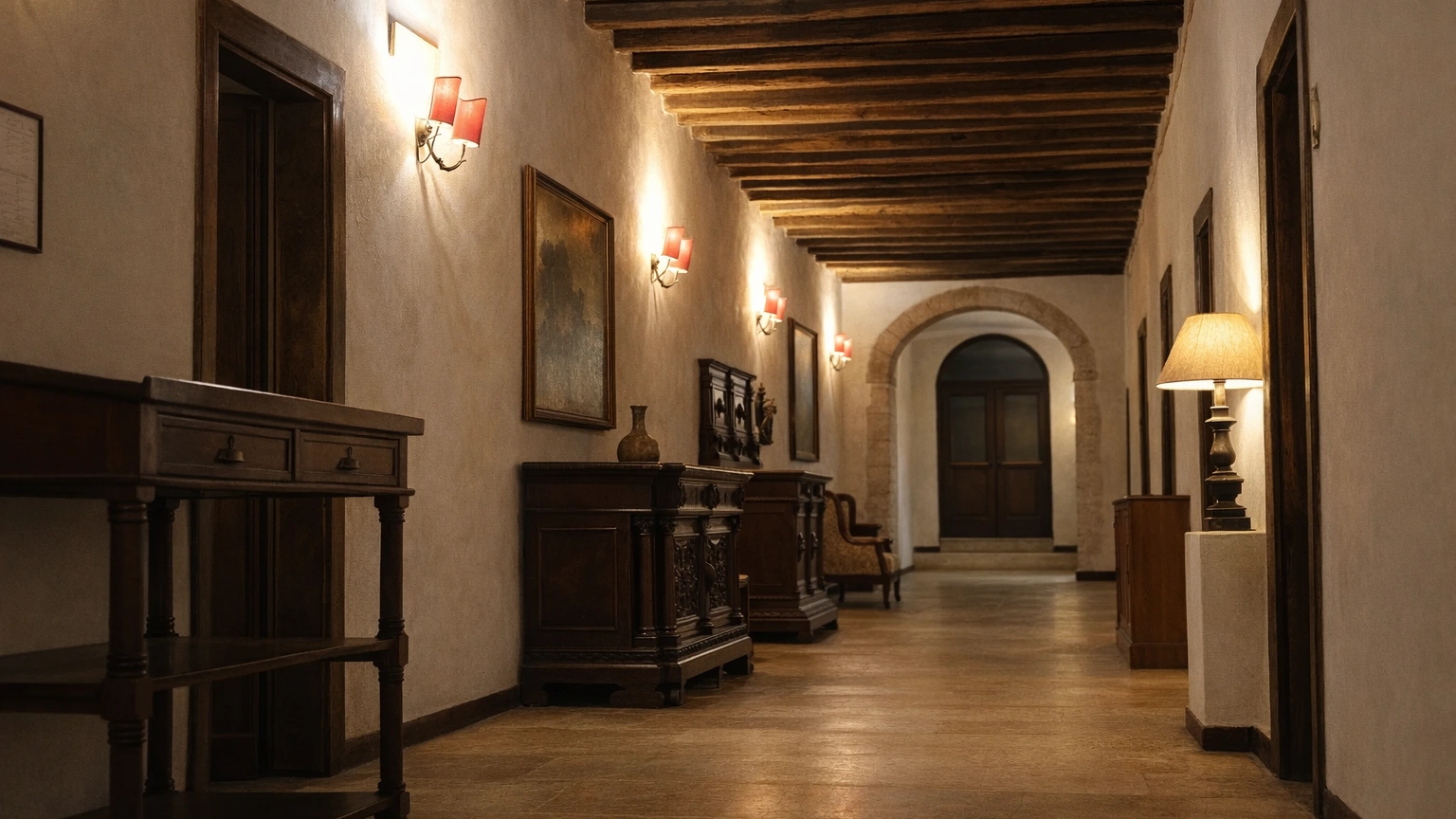
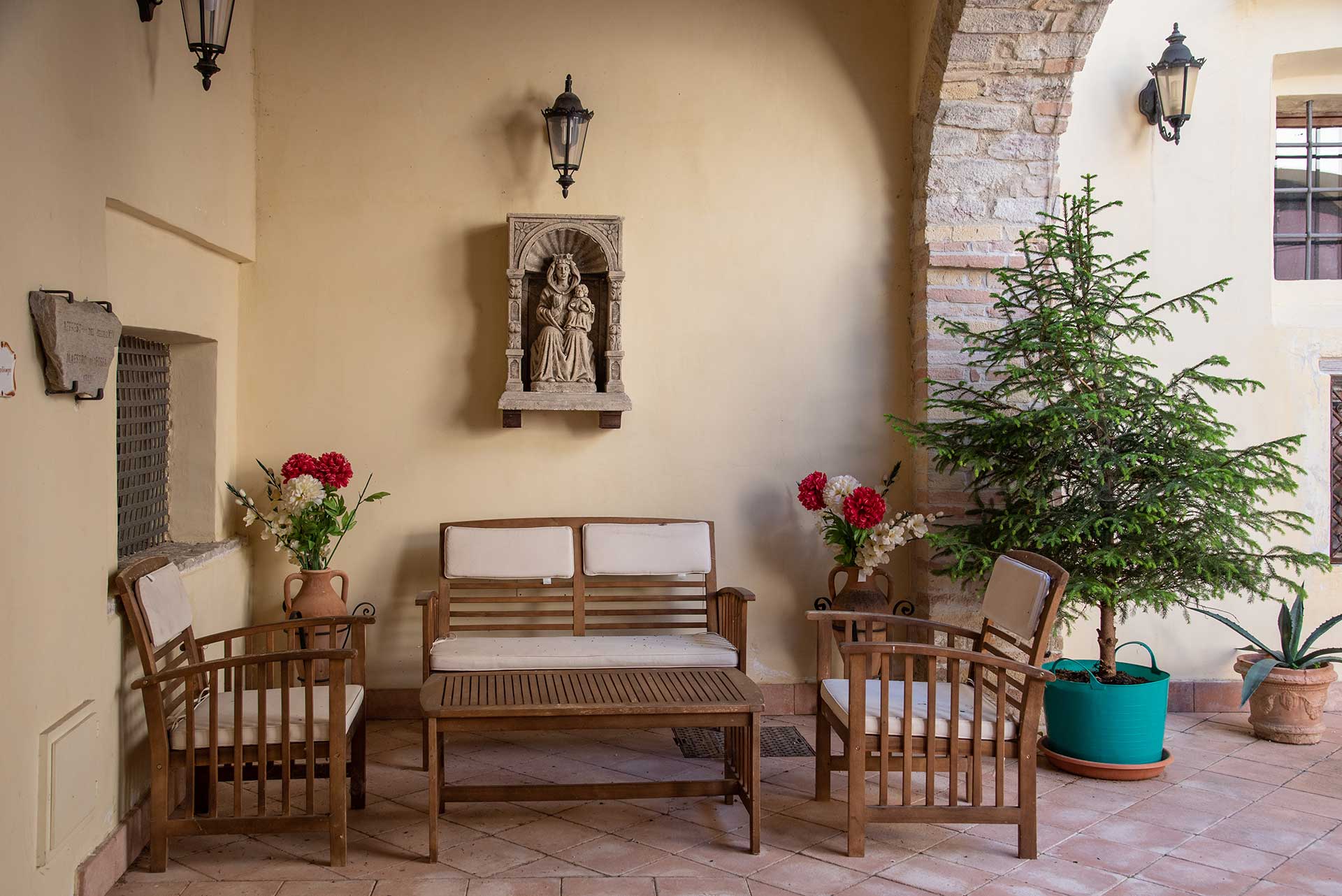
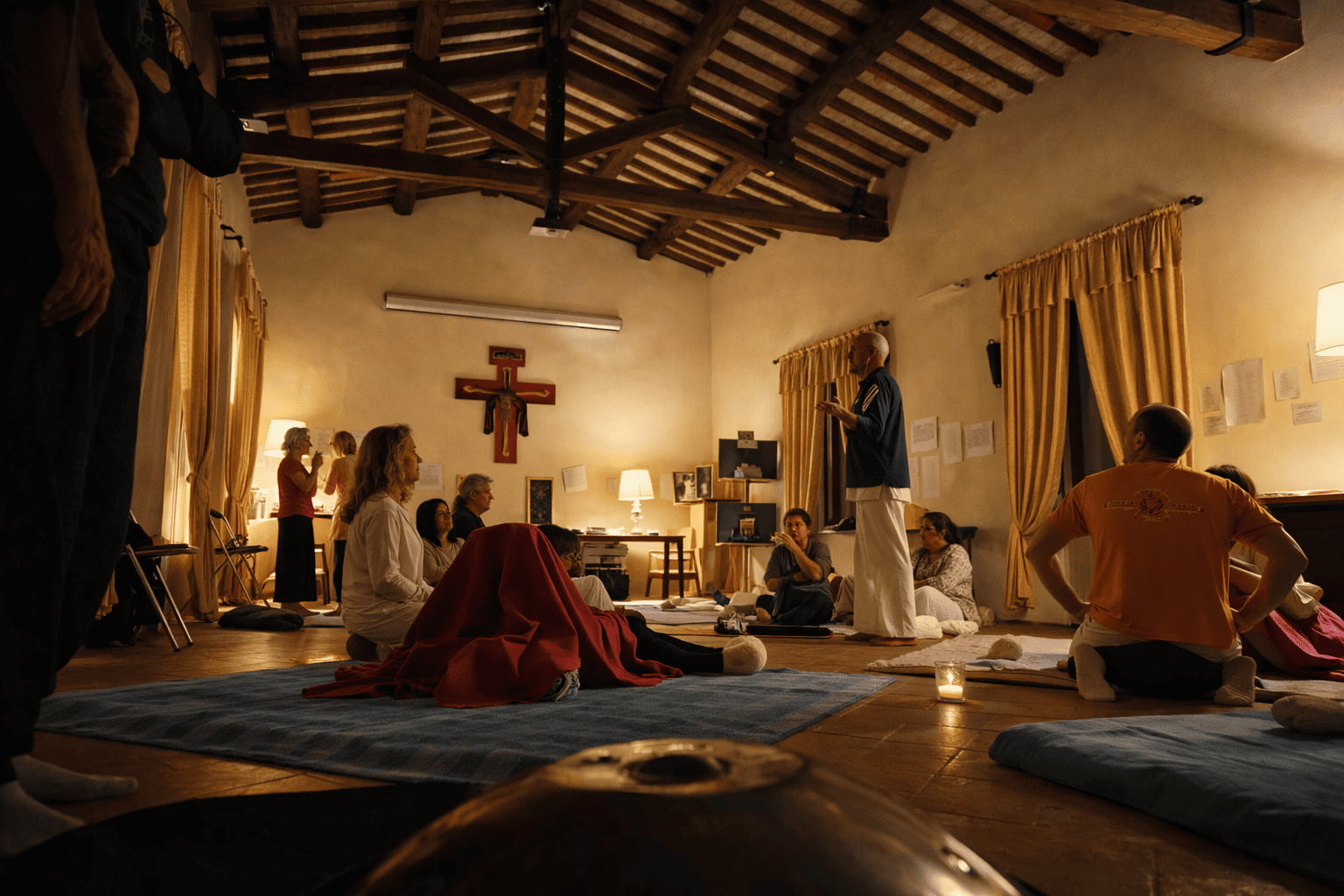
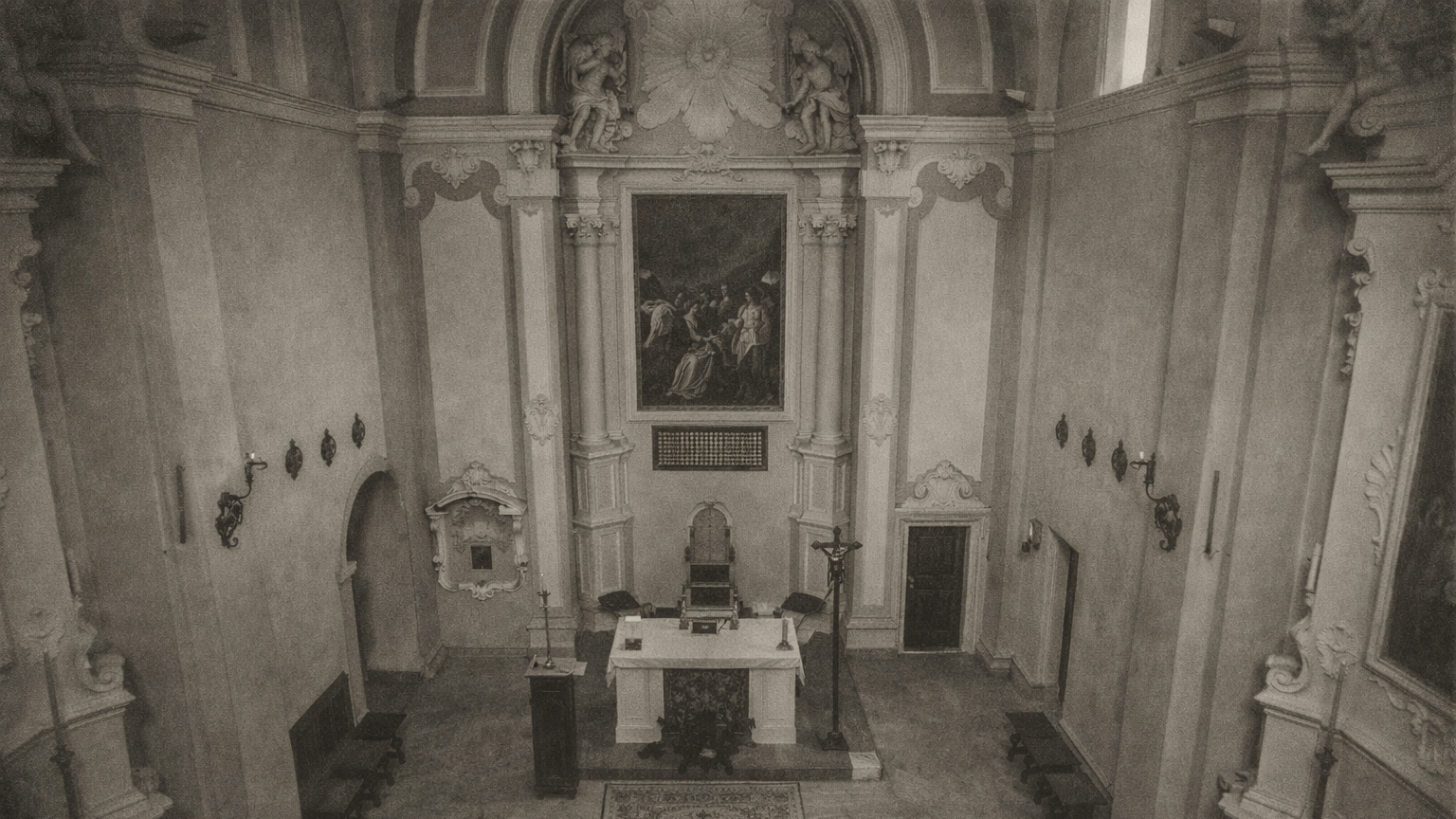
Today the Monastery offers a wide range of spaces and services for Guests including rooms, a reception, the restaurant “Sapori nel Borgo”, the breakfast room, the Quietis Cell, a bar, a reading room, a conference hall and a training room. It also houses the Church of Saints John and Peter, still consecrated and available for special events, it gives the complex a unique charm and remarkable versatility for both stays and significant occasions.
The Borgo Campello Foundation: Guardians of History and Beauty
The Borgo Campello Foundation was established with the aim of enhancing the history and traditions of Umbrian villages, safeguarding and passing on to future generations the precious artistic, cultural and historical heritage of our country. Through publications, conservation restorations and cultural events, the Foundation breathes new life into the authentic values that have shaped centuries of history.
Over the centuries, human intervention-from the application of quicklime used to disinfect spaces during the plague, to subsequent architectural modifications and periods of neglect-has partially compromised the integrity of some frescoes. Today, they require significant restoration work to be preserved and passed on to future generations.
This is precisely one of the Foundation’s core commitments: to safeguard and revive an authentic history, where art, beauty, and memory intertwine harmoniously, offering guests the opportunity to rediscover the deeper meaning of humanity in an age increasingly dominated by technology.
Relais Borgo Campello
A place to relax in nature
Today, Relais Borgo Campello is a scattered hospitality estate, spanning the Castle and the Monastery below, chosen by guests as a destination for relaxation or as a starting point to explore the surrounding area, as well as to host ceremonies, events and meetings.
Early medieval origins (10th-13th centuries)
Campello Alto Castle
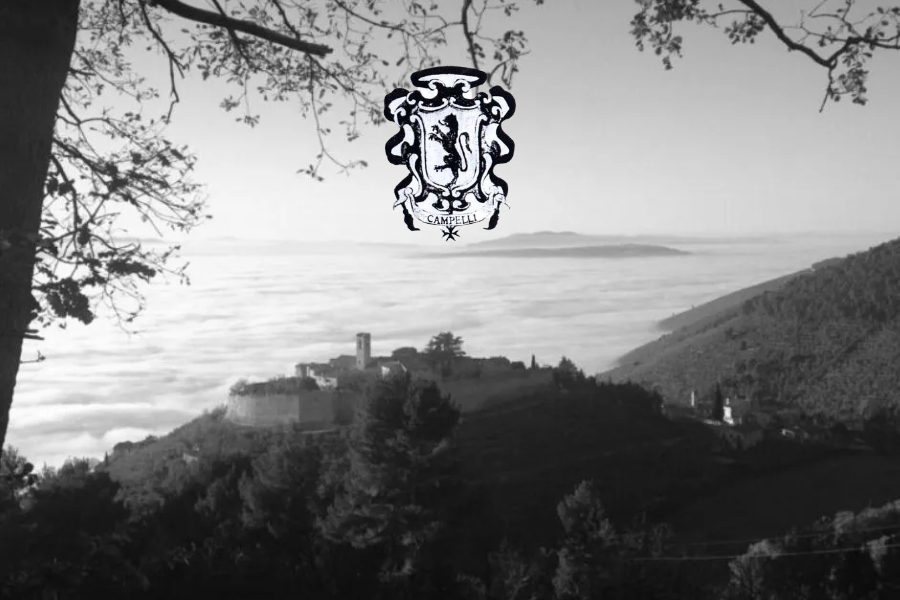
According to tradition, the Castle was founded in 921 by Rovero of Champeaux, Baron of Burgundy from Reims, who accompanied Duke Guido of Spoleto. The Holy Roman Emperor Lambert granted him the right to build a fortress on a hill, along with it a fief comprising eight villages, known as Gualdi Rainieri.
The Castle originated as a fortified village with strategic and military function.
The Counts of Campello remained loyal to the Swabian emperors (Frederick I, Henry VI and Frederick II), who confirmed their jurisdiction several times for supporting the imperial cause against the Papacy. This position earned them the harsh condemnation of Pope Honorius III, who in 1226 called them “sons of the devil.”
Monastery
In 1228, a papal bull issued by Pope Gregory IX confirms the existence of the Benedictine Monastery of cloistered nuns dedicated to St. Peter, located outside the Castle walls. From its inception, the monastic complex served as an important spiritual and religious center for the surrounding territory.
The High Middle Ages and factional conflicts (14th century)
Castle
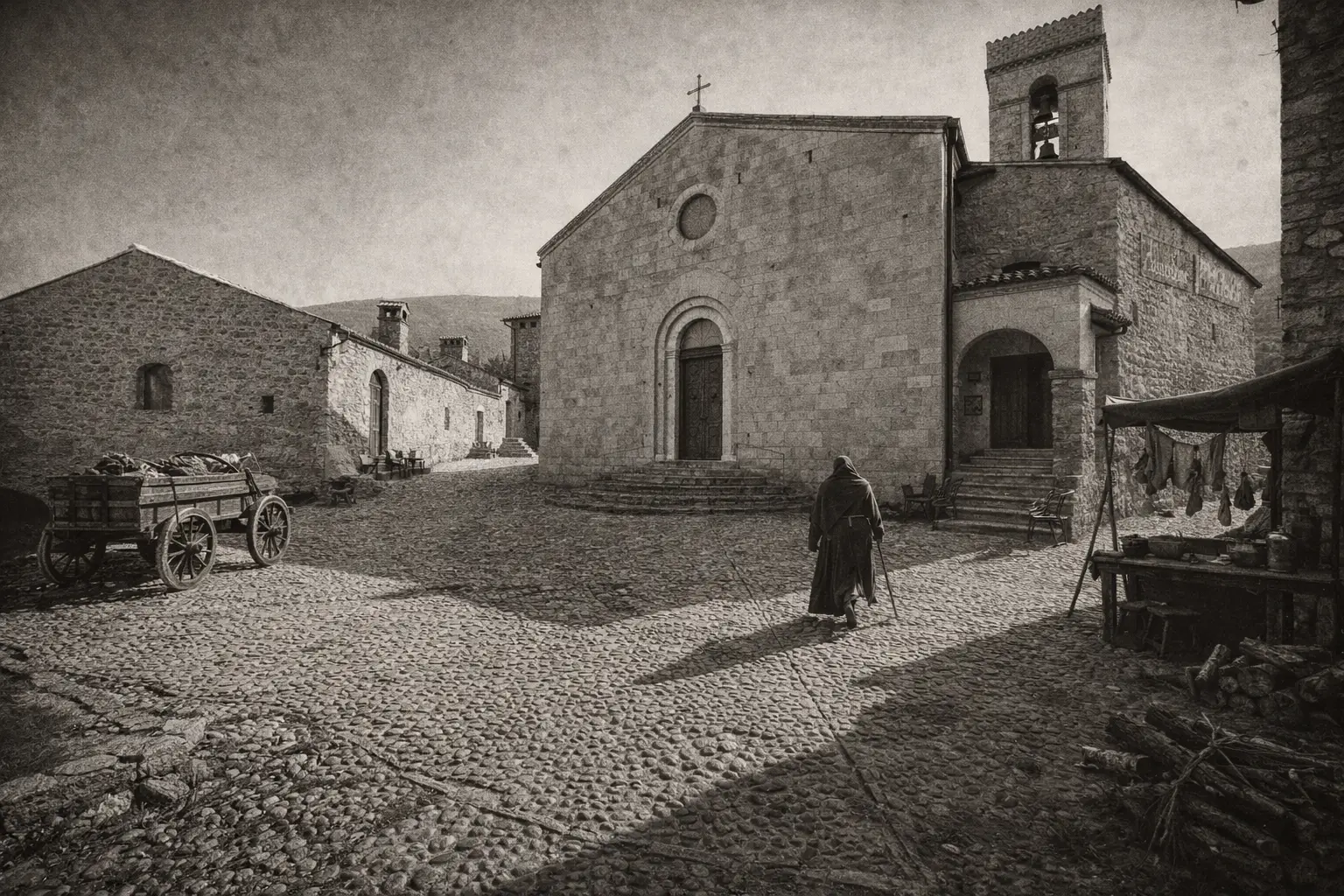
By the mid-14th century, during the conflicts between Guelphs and Ghibellines, the castle was attacked by Guelph mercenaries from Gubbio led by the Spoletan gonfalonier Pietro Pianciani. The village was laid to waste, and parts of the Campello residences were set on fire. However, the Pianciani were forced to rebuild the castle at their own expense, making it larger and more solid. The current walls date back to this period.
Monastery
In the 14th century, the Monastery of St. John the Baptist was built alongside that of the Monastery of St. Peter. In 1401, the Congregation of St. John the Baptist received official recognition directly from Pope Boniface IX, consolidating the importance of the monastic complex.
From the end of feudalism to civil autonomy (14th-16th century)
Castle
In 1390, the Counts of Campello transferred their feudal rights over the castle to the local stewards. From that moment, Campello remained under the influence of Spoleto until the 18th century. In the 16th century, the village adopted its own statutes, drafted by the stewards, the count, and the notary Spineo, marking its transition into an organized and autonomous community. Later, Campello became an independent municipality.
Monastery
During this period the Monastery continued to be home to the Benedictine Nuns, becoming one of the largest and most active Benedictine monasteries in Umbria, playing a central role in the spiritual and social life of the region.
The merger of the monasteries and the Early Modern Period (17th century)
Castle
The Castle continued its civil and residential functions, gradually losing its military role whilw retaining its administrative and symbolic significant for the local community.
Monastery of Saints John and Peter
In 1604, Archbishop Alfonso Visconti decreed the merger of the two cloistered monasteries, St. Peter and St. John the Baptist. The two complexes were connected by corridors, and in 1608 a new church was built on the site known as “campetto.” From that moment the Monastery developed lengthwise over three floors, adapting to the hillside and taking on the architectural layout it still preserves today.
The 19th Century: Monastic Decline and Cultural Awakening
Castle
In the 19th century, a member of the Campello family married a cousin of Napoleon, bringing French cultural influences to the village, particularly in the realm of theater. In this context, Giuseppe Mazzini also visited as a guest of the Campello family. Later, handwritten letters by Mazzini were discovered hidden in the planks of the small theater in Campello, bearing witness to the village’s connection with the Italian Risorgimento.
Monastery
In 1830, following Napoleon’s decrees on the closure of convents, the Benedictine nuns were forced to leave the Monastery, which remained uninhabited for approximately a century.
The 20th Century: a new porpose
Castle
The medieval village underwent a period of gradual depopulation, yet its historic structure remained intact.
Monastery
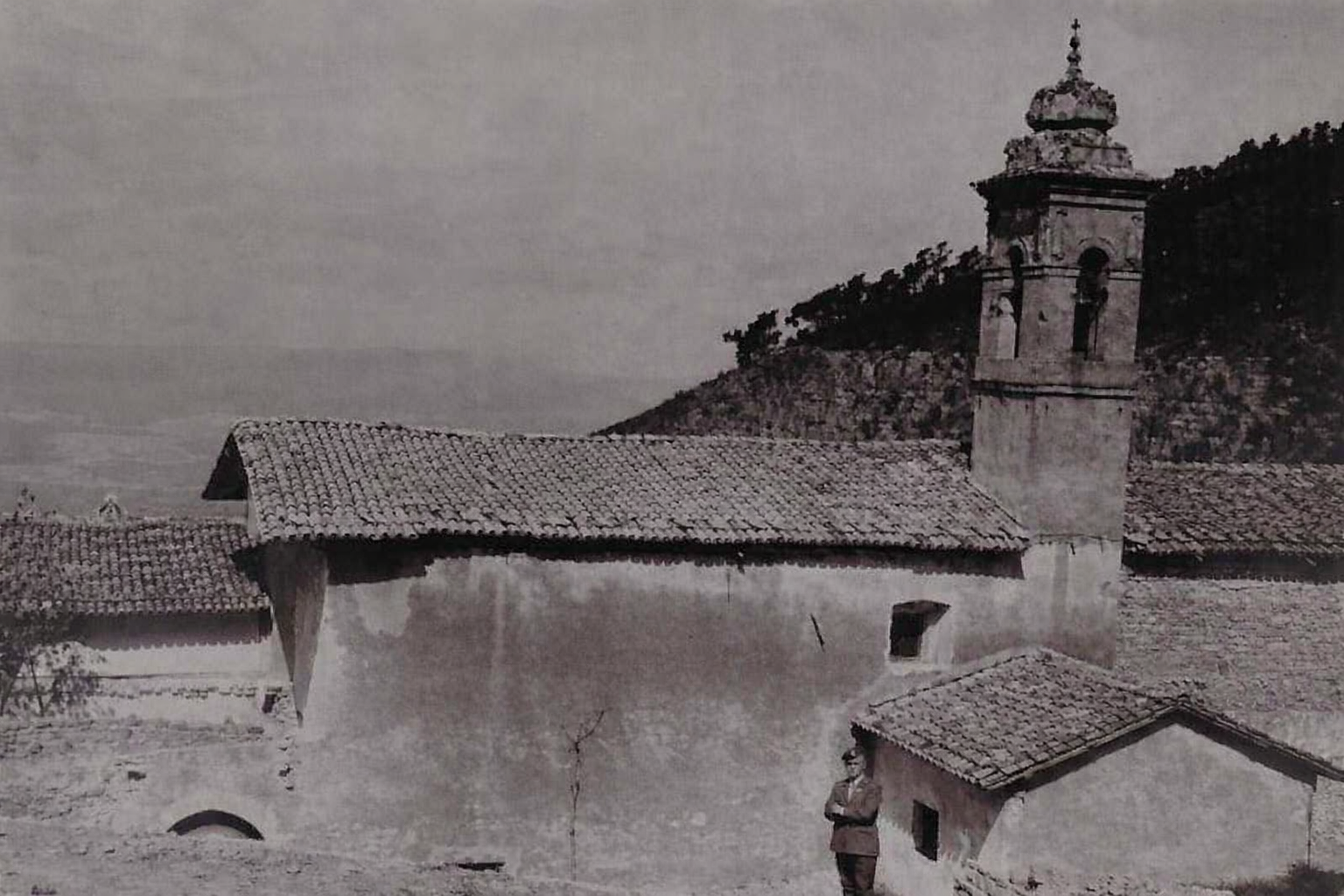
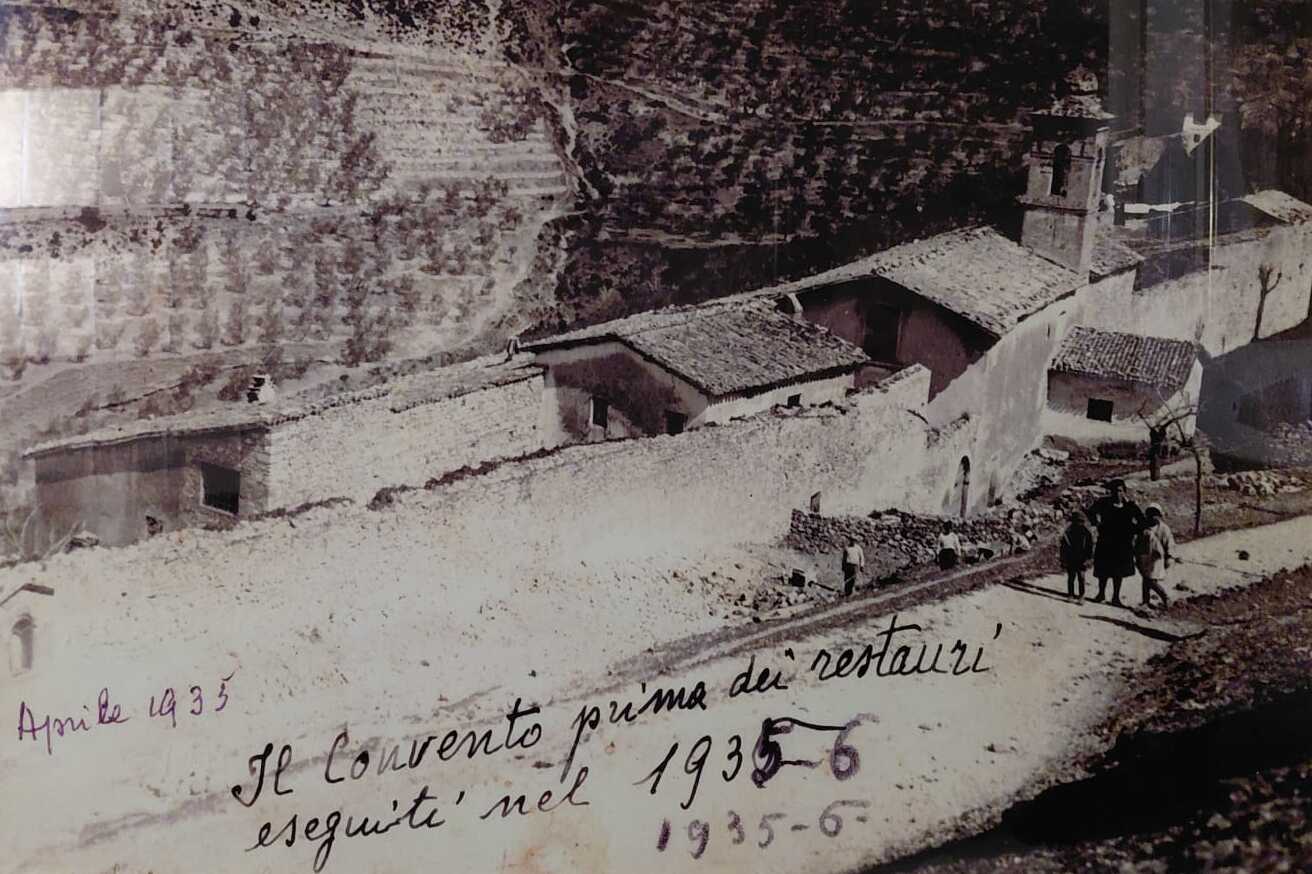
Around 1935, the Monastery was purchased by the Congregation of Barnabite Fathers, who used it for theology students, spiritual retreats and hospitality activities. During this period, the first major restoration took place.
After the 1997 earthquake, the complex was restored using seismic-resistant techniques and reopened as a guesthouse.
Contemporary revival: Relais Borgo Campello (1996 – Present)
The current owners, Dr. Daniela Di Fabio and Engineer Vincenzo Maria Naschi, began acquiring the village in 1996. In 2012 the first small receptive structure was born; in 2015 the great transformation took shape, with the acquisition and restoration of additional historic buildings. From 2018 the project continued to expand, enhancing the entire medieval village.
In 2021 the owners also integrated the Monastery into the Borgo Campello Relais project. The Castle and Monastery, reunited once more, now recreate the original medieval village both inside and outside the walls, preserving the mystical and historic atmosphere of the site.
